Tailor-made Safari HolidaysSpecial OffersHolidays in South AfricaKenya Safari HolidaysHoneymoon Safaris and Romantic HolidaysSafari and Beach Holidays

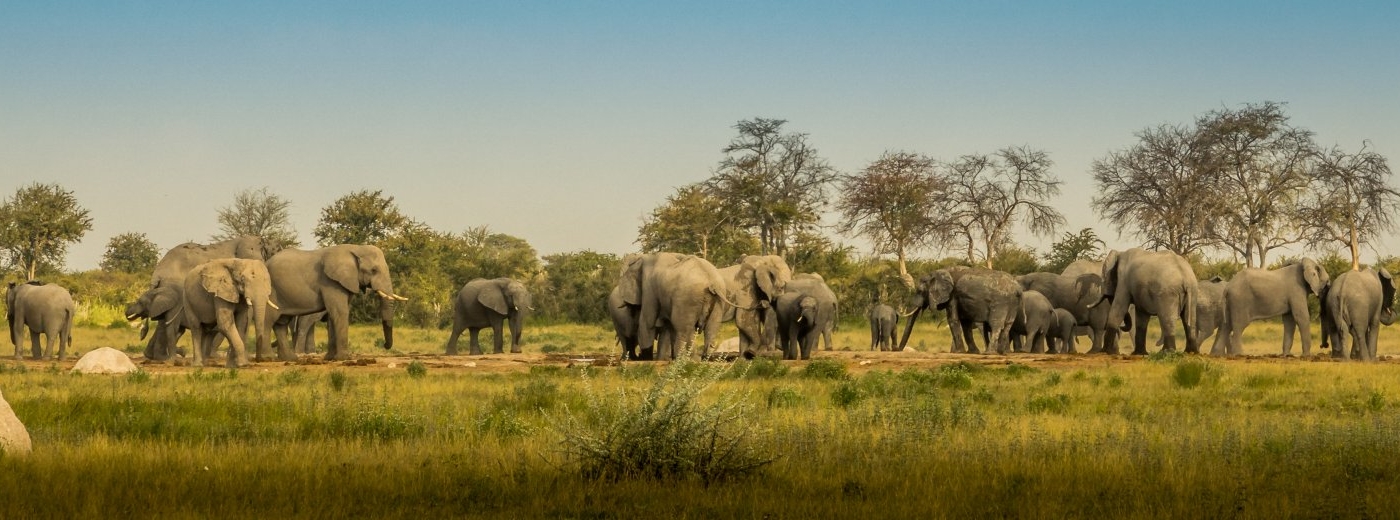
Tailor-made Safari Holidays

Travel Butlers will ensure you have a fantastic holiday that is tailored to your individual interests and budget.

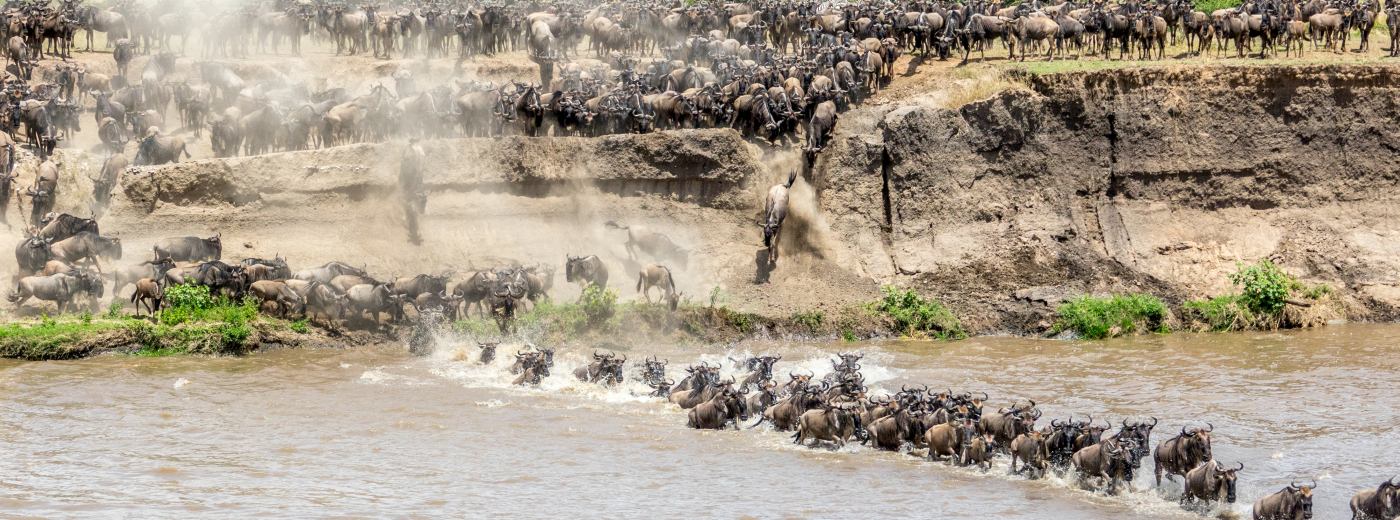
Special Offers

Offers and special deals on safari lodges and city hotels to make your holiday budget stretch a bit further.

Holidays in South Africa

Cosmopolitan cities, stunning wildlife and deserted beaches - South Africa has it all.

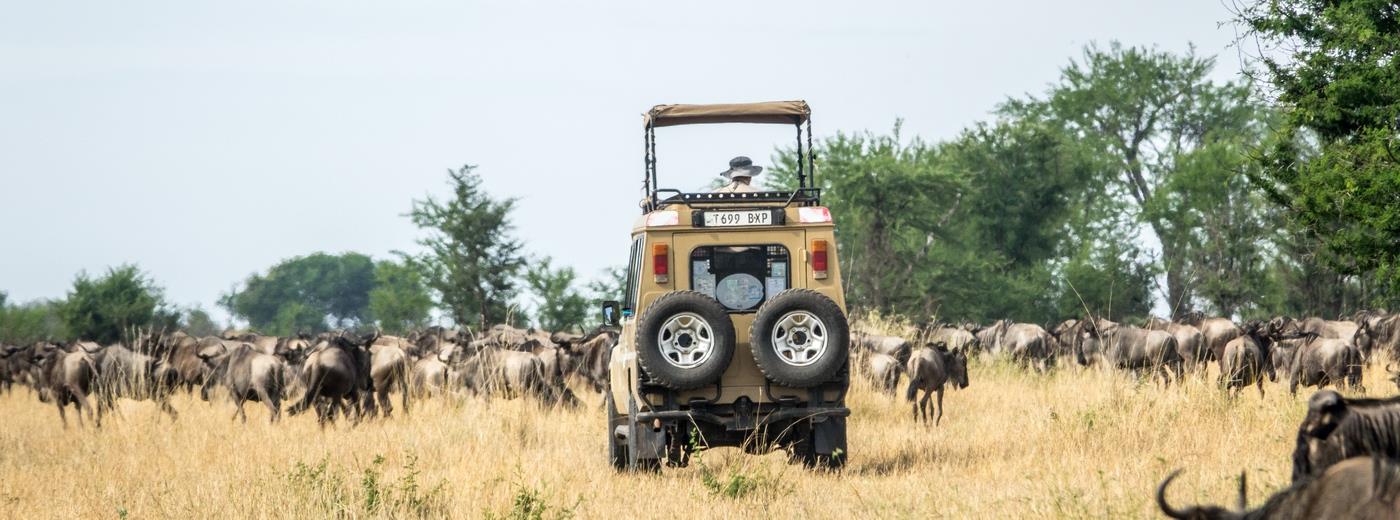
Kenya Safari Holidays

Kenya is an iconic safari destination, with beautiful beaches to relax on afterwards.

Honeymoon Safaris and Romantic Holidays

Romantic accommodation and African sun are possibly the 2 best ingredients for a honeymoon.

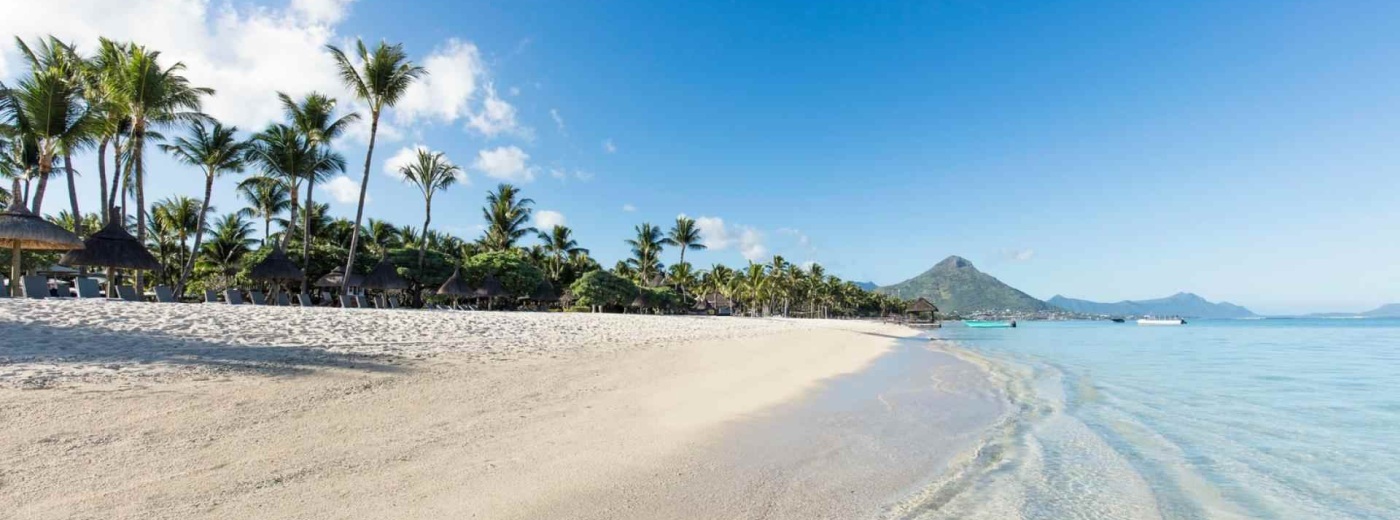
Safari and Beach Holidays

Combining the thrill of a safari with relaxation time on a beach is most people's idea of a perfect holiday combination.

Travel Butlers Blog: African Safari News

African safari news

May 14, 2013

The Best Time to Go on Safari in Kruger

This is possibly one of the most frequently asked questions that our consultants get on a weekly basis – When is the best time to go on safari in Kruger?

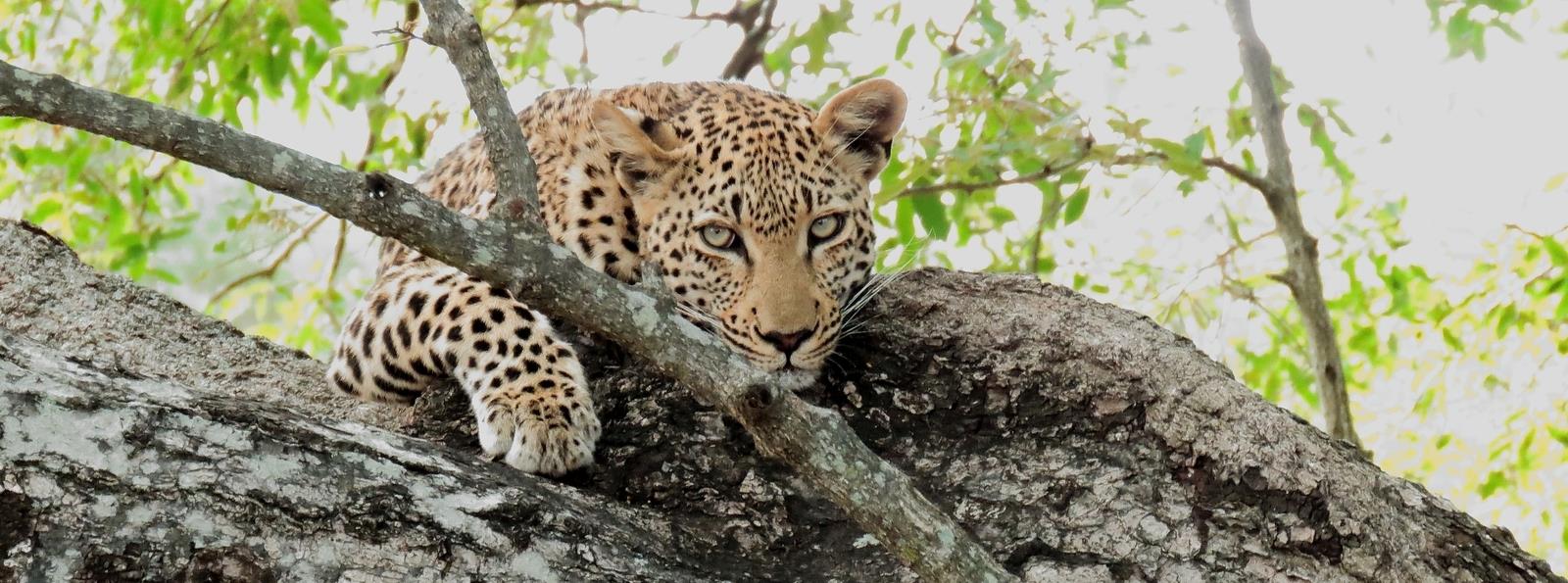
LeopardThe answer, of course, is that any time is good – especially if you are a safari enthusiast, the Kruger National Park and the adjoining game reserves offer some of the best safari game viewing (in my humble opinion) to be found anywhere on the African continent.  Especially in the private game reserves such as Sabi Sand or Timbavati, lion and leopard tracking are a particular speciality – indeed, in my last 10 day visit to Sabi Sand, we saw no fewer than 27 different leopard!

But we do appreciate that the weather can play an important factor in whether people have a good or a not-so-good holiday, as can prices, so this blog will try to summarise it all succinctly for you.

Basically, you can divide the seasons in Kruger into 2 main periods – the High Season and the Low Season.

High Season around the Kruger National Park are the broadly September/October through to the end of April – so the Southern Hemisphere Spring and Summer.   The main summer months of December, January, and February tend to be extremely hot and humid, and temperatures can soar to over 40°C.  This is also the rainy season, which means the vegetation is wonderfully green and lush – so making all your pictures vibrant with colour – BUT this can make game viewing more difficult.  It always amazes me how something as large as an elephant can simply disappear behind a leafy bush, never to be seen again!   The combo of hot and rain also means the mosquitoes are out in force.

On the plus side, many animals give birth during the height of summer, so it is an excellent time to visit if you want to see lion cubs at play or wobbly zebra foals and baby impalas following closely behind their mothers.  On the downside, the lions, leopards and cheetahs are also very active, and the young calves are easy pickings – bear in mind, the cute lion cub also has to eat…

Low Season are the Southern Hemisphere winter months – so June, July and August.  These months are not only cool and dry, but are possibly the best for game viewing. Water is scarcer, so animals are more reliant on waterholes or rivers, which means greater game viewing opportunities around these areas. Although the vegetation around these areas remains lush, the grass elsewhere becomes much drier and shorter, making it easier to spot wildlife. Daily temperatures range from 9 degrees C to 26 degrees C, but the early mornings and nights can get very cold – so you will need several warm layers for your morning and evening game drives. The risk of malaria is less, and coupled with the cool daytime temperatures makes this a very popular time for visitors.  Low Season also means lower rates – and on top of this, many safari lodges offer Stay/Pay packages such as Stay for 3 nights, Only Pay for 2, so you can get some fantastic deals and really make your holiday budget stretch further.

The only downside on going on safari in Kruger in the Low Season is that many people choose to combine their safari with a trip to Cape Town, which experiences completely different weather over these months – Winter in Cape Town is the rainy period (conversely Summer in Cape Town is their dry period, when Kruger it is rainy).

April 25, 2013

Construction Work at Victoria Falls Airport (VFA)

Filed under: Travel News,Victoria Falls — PaulCampbell @ 9:29 am

We have just heard that there will some renovation work taking place at Victoria Falls Airport (VFA, Zimbabwe) for the next 3 months ahead of the UNWTO General Assembly in August 2013.

The construction work entails extension of the entrance halls to the Terminal building, and this means that The International Departures entrance shall be temporarily closed until 1 May 2013. Passengers will be directed to use the Domestic Departures Entrance to enter the Terminal building. This will be followed by the closure of the Domestic Departure Entrance and passengers will  enter the Terminal using the International Departure Entrance.  Signs will be posted to direct passengers  accordingly.

The above renovations should have no impact on guests travel arrangements and we look forward to a new and improved terminal when renovations are complete.


March 28, 2013

New Helicopter Transfers Add Extra Glamour To Botswana Camps

Filed under: Botswana — PaulCampbell @ 1:02 pm

Helicopter Horizons have introduced a small chopper to their fleet, enabling affordable helicopter transfers between camps in Botswana’s Okavango Delta as an alternative to light aircraft transfers.

Some colleagues of ours recently enjoyed the full experience, spotting herds of zebra, elephant, journeys of giraffe and pods of hippo from the air before stopping for a refreshing glass of champagne on a remote palm island in the delta.  The agility of the chopper added a touch of adrenaline with low-flying passes over the channels as well as superior opportunities for aerial photography.

For bookings of 2 pax, not only is the chopper a highlight of any safari in Botswana, but it’s private, turning an inter-camp transfer into a memorable and exclusive activity for two.  The helicopter also drops off and picks up right at camp, removing long airstrip transfers.

The surcharge for helicopter transfers ranges from no additional cost to around $200 per person (based on the surcharge vs a fixed-wing aircraft), and  a 15 minute champagne stop on a palm island in the delta can be added to any helicopter scenic flight or transfer for $50pp in 2013.

Now that’s our idea of travelling in style!

BotswanaHelecopter

March 1, 2013

The Top Rated Safari Lodges 2013

Filed under: Travel Butlers,Travel News — Tags: , — PaulCampbell @ 5:40 pm

It is the Awards season in the music and film industries again, so we thought that this would be a good time to have another look at the ratings that our guests have given to the vaTB-Award_2013rious places they have stayed at over the past year or so and see who comes top of guest rating polls.

Our number monkey has checked  to make sure that we have not included any places that only have a handful of votes as this would skew the results, and we have also limited it to just 10 awards for 5* lodges and 10 for 3*/4* lodges.

Our heartfelt thanks and congratulations go to all of the award winners as they have all given outstanding service and safari experiences to our guests over the recent months and years.

To all the other excellent safari  lodges that have also looked after our clients so wonderfully, do not lose heart:  out of  hundreds of ratings we have received for safari lodges, we only had a couple of scores under 4/5, and the overall average for all safari lodges was a whopping 4.7/5!

You can see the all of The Top Rated Safari Lodges for 2013 here.

February 15, 2013

10 night Kenya Safari/Beach holiday for GBP1,000 per person – yes, it can be done!!

Filed under: African Safari,Honeymoons,Kenya — Tags: , , , , — TraceyCampbell @ 4:55 pm

The daily news is still saying we are in a recession, there is the ‘hangover’ from having spent too much last summer when the Olympics and Paralympics took the UK by storm (I know I had no intention of going to the Games, but I was hooked after watching the Opening Ceremony, and spent the next week with my finger glued to my iPad, desperately trying to get ANY tickets!), PLUS the weather has been so cold – it’s no wonder people are feeling a bit depressed right now!!

But do not despair.  By working with our excellent ground handlers in Kenya, we are able to offer a 10 night holiday to Kenya, which includes 3 nights on safari and 7 nights at the beach, for just over £1,000 per person (based on travel in September or October this year).  With flight prices coming in around £700 per person too, this means you can have something to look forward to and not spend an absolute fortune.

Interested?  Take a look in more detail here:

http://www.travelbutlers.com/kenya/holidays/ITINERARY-02090/30983/

If you would like a quote, please contact us either by email to tracey.campbell@travelbutlers.com, or give us a call on 01932 428380.  We can book your flights too for you, as we are ATOL protected.


January 10, 2013

Loving David Attenborough’s Africa On The BBC

Filed under: Africa On TV,South Africa — Tags: , , — PaulCampbell @ 3:08 pm

I am sure I was not alone last night when I settled down to watch the 2nd episode in the 6 part David Attenborough’s Africa series – the first airing last week pulled in over 6.5 million viewers, and although the viewing figures are not out as yet for last night, I am sure they would have increased.

In true David Attenborough style, it was full of absolutely superb camerawork, and amazing wildlife footage.

Who didn’t reach for a box of tissues at the true devotion showed by the mother elephant in the drought-stricken Amboseli, who watched her herd disappear into the distance as she waited with her baby calf to die?  Or decide that the shoebill is one of the more heartless of natures creations, as both parents ignored the younger sibling’s need for comfort and food in favour of the older (and definitely more bullish) chick?  And wonder at what possessed the lizard to think it was a good idea to try and snatch a fly from the face of a sleeping lion?

But it was not just about the wildlife.  What also got me was the team of 80+ people who trekked up the mountain side in fog, snow and rain, camping out in these conditions for days, to wait to shoot footage that was on our screens for probably less than 30 seconds – but yes, it was definitely worth the wait, I must admit, and I am very envious that they got to see those views firsthand.

I can’t wait for next week’s episode now!

November 15, 2012

Exchange Rates Make South Africa the Place to Head this Winter

Filed under: South Africa — PaulCampbell @ 1:19 pm

The South African Rand has now sunk to it’s lowest value since January 2009….which is great news for anyone looking to book a safari holiday to get away from the Northern Hemisphere winter this year!

The huge variety of attractions from beautiful, bustling Cape Town to the natural wonders of a safari in the Kruger National Park or the tranquility of miles of unspoilt beaches have made South Africa one of the leading long-haul destinations for visitors for a number of years now.

With the Rand now at 4 year lows vs the British Pound and other leading currencies (and about 15% lower than it was in the earlier part of this year) this is the ideal time for people looking to save money and still beat the winter blues!

You can see plenty of inspiration on our South African Holiday Guide….who said economics was boring!

October 12, 2012

New Wilderness Camp to be Opened in July 2013

Wilderness Safaris have just announced that they will be opening their brand new Wilderness Classic camp – Hoanib Skeleton Coast – in July 2013.  This exclusive camp will have just 8 units (including one family unit) and will be located 90 km south-east of their previous Skeleton Coast Camp site, offering guests the opportunity to still visit this remote area of Namibia.  Daily flights will be into a dedicated new airfield in the vicinity, which has been designed to impact as little as possible on the fragile desert environment.

The new camp is located on the Hoanib River, on a private concession straddling the Palmwag area and Skeleton Coast National Park, in one of the most remote areas of the Kaokoveld.  The Kaokoveld is a land of beautiful rugged scenery, and the historic coastline, mountains, vast plains, and dry riverbeds are inhabited by plant and animal life who are fully adapted to the harsh desert conditions. Despite the arid environs, one of the greatest concentrations of desert elephant and lion can be found within this extraordinary area – along with sightings of giraffe, antelope, black rhino, leopard and cheetah.

Exploring the territory on foot, by vehicle, in hides, and by air, small groups led by expert safari guides can look forward to unravelling the enigmatic history of the original Strandlopers (“Beachcombers”), their stone circles lying in hidden valleys, marvelling at the ancient Welwitschia plant, following herds and other wildlife, and savouring endless coastlines and landscapes unfolding untouched for hundreds of kilometres.

For the first time, forays into the Hoanib floodplains (previously restricted inside the Skeleton Coast National Park) can be undertaken; this includes the strange upwelling of fresh water at a series of oases in the middle of the shifting Namib Desert. Extended journeys will explore the shores of the world-famous Skeleton Coast.

In line with Wilderness Safaris’ commitment to the Government of Namibia’s far-sighted Community-based Natural Resource Management policy – an approach that Wilderness has embraced from the outset – the twenty-year concession is a joint venture with the neighbouring Community-based Conservancies of Anabeb, Torra and Sesfontein.

We look forward to sending the first guests there in a few months time!

October 10, 2012

10 Reasons to go to Namibia

A trip to Namibia is an adventure in itself. Namibia is a beautiful country, with endless highlights – the red sand dunes of Sossusvlei, the wild desert elephants in Damaraland, the stunning Etosha National Park … it is, however, a vast country, so it does involve a lot of driving – the average distance between destinations is 5 hours driving on gravel roads.

Windhoek – the capital of the country, and most visitors either begin or end their trip here for a couple of days, then head either northwards or southwards.

Fish River Canyon – situated between the Namib and Kalahari deserts, the only roads to it are across vast areas of flat and barren landscapes, sparsely populated with desert plants, quiver trees and cacti. As a result of this physical isolation, the whole place feels magical and unvisited, despite being a major tourist attraction. At 160 km in length, up to 27 km wide in places, and a depth reaching up to 550m, it is certainly hugely imposing and one of Southern Africa’s most stunning natural features.

Aus - there are approximately 170 wild horses living wild in the Namib Desert near Aus, and there are many theories as to how the horses came to be here. The most likely one is that they are the descendants of the horses which were left behind when the German troops fled the area in 1915.  The number fluctuates depending on the grazing conditions. After the rains, tiny green shoots sprout up through the desert floor, providing nourishment for the horses to help sustain them during the next long dry period.

Kolmanskop – Namibia’s most visited ghost town lies 10 km inland from Lüderitz. Once a bustling boom town built on the success of the diamond mining, now it is deserted except for the sand which is slowly engulfing the houses and buildings.  It is truly a photographer’s dream.

Sossusvlei – one of the oldest deserts in the world, and most famous for its huge red sand dunes, which are the most popular and visited tourist attraction in Namibia. The contrast between the clear blue skies, deep red dunes, and the cracked white base of the dry lakes (vleis) lends itself to some truly stunning photography, and climbing the easily accessible dunes to get a view over the spectacular ‘dune sea’ is unforgettable.

Swakopmund -Namibia’s busiest coastal resort town and offers a range of activities including quad biking, scenic flights and sandboarding.

Damaraland – track desert elephants and rhinos, visit Twyfelfontein (now a World Heritage Site), or just enjoy the harsh beauty and ruggedness of north western Namibia.

The Skeleton Coast - a fascinating area, but difficult to reach. You could drive yourself up along the coast or inland, but only limited operators can actually access the Park itself. Trips up here would be either done by fly-in, or overland safari, and can be very expensive, but worth every penny!

Etosha National Park – offering some of the finest wildlife viewing in Africa, and one of the undisputed highlights of any visit to the country. The Park is home to 114 different mammal species, including 4 of the Big 5 – leopard, lion, elephant and rhino (both black and white). The Park has recorded nearly 400 species of bird, and over 110 species of reptile, and is also home to 3 uncommon antelope species – the beautiful black-faced impala, the roan antelope, and Southern Africa’s smallest antelope, the Damara dik-dik, which stands only 40cm to the shoulder as a fully grown male adult.

AfriCat Foundation – a non-profit organisation which aims for the long term conservation of large carnivores in Namibia. They rescue, relocate and even rehabilitate problem big cats, and try to raise awareness of the issues involved. Guests can become involved in the project, as some of the activities offered at Okonjima include leopard and cheetah tracking on foot.

October 4, 2012

5 Reasons to visit Hazyview in Mpumalanga

Not many people really consider Hazyview as a key holiday destination, but we think that should change!  Why?  Well, here are our Top 5 reasons why anyone should include a night or two here.

The Kruger National Park – need I say any more?  Hazyview is a mere 15 minute drive from the Phalabeni Gate into the Park, or about an hour tops to the main Paul Kruger Gate, so ideally placed for a day visit on a self-drive safari in this famous Park.

The Kruger National Park is the premier self-drive safari destination in South Africa, with an unbeatable variety of wildlife and habitats to explore, an excellent infrastructure of roads and accommodation, and a feeling of huge, wide-open spaces.  Self-drive in Kruger is a wonderful experience – the thrill of driving along a road by yourself and coming across a pride of lions basking under a nearby tree, or waiting at a peaceful waterhole and having a sighting all to yourself is hard to beat.  Inside the Park, there is an excellent infrastructure of roads, some of which are tarred, others gravel. Good, clear signposts help to make the driving experience easy and enjoyable.

Panarama Route - the highly promoted ‘Panorama Route‘ is a self-drive route, which can be done from Hazyview in a day, and this route takes in many of the scenic sights, which include:

The Blyde River Canyon – estimated to be 60 million years old, and is over 25 km long and up to 800m wide in places. The Reserve is a spectacularly beautiful area, with many waterfalls, lush forest areas, and fascinating geological formations sculptured by years of erosion.

Bourke’s Luck Potholes – spectacular smooth sided cylindrical potholes have been carved naturally into the rock bed of the river, some of which are 30m (100ft) deep.

The Three Rondavels – an impressive and much-photographed rock formation, which rise out of the canyon.

God’s Window – offering stunning panoramic views over the Lowveld as far as the Kruger National Park.

The traditional villages of Shangana – home to families who invite guests to experience their culture and way of life.

Moholoholo Wildlife Rehabilitation Centrea sanctuary for injured, abandoned and poisoned birds and other wildlife, and a must for anyone interested in raptors and birds of prey.  Wildlife is brought to the centre from all corners of South Africa, and once healthy enough are re-introduced into their natural environments.  Animals who cannot be returned to the wild for any reason are cared for at the centre.

Hoedspruit Endangered Species Foundationthis is a unique project that conducts essential research on endangered species, and provides visitors with the opportunity to view animals, such as wild dog and cheetah, that have found a home here within natural surroundings.  The tours are an educational experience, but as well also emphasise the important role that everyone has to play in the conservation of South Africa’s wildlife.

And finally, you need a place to stay, so our recommendation is Rissington Inn – a great guest house, that we have worked with now since we very first started Travel Butlers.   Just on the outskirts of Hazyview, Rissington is the perfect place to base yourself to explore the area.

Newer Posts »
Safari Holidays

    Why Book With Us?

    • Specialists in African Holidays
    • Friendly Expert Service
    • Hundreds of Special Offers
    • Tailor-made itineraries
    • Price Promise
    • No Credit Card Fees
    • ATOL Protected
    • UK Based

    Financial Protection

    ATOL Protected - ATOL 10245Protected by topp

    The air holiday packages on this website are ATOL protected by the Civil Aviation Authority. Our ATOL number is 10245, and you can confirm our ATOL certificate on the CAA website.

    All packages that are not protected by ATOL are protected by a topp policy.

    Travel Butlers Ltd are also members of SATSA (the South African equivalent of ABTA).

    You can find out more about financial protection in our Terms and Conditions.