October 27, 2015

Tipilikwani – Difficult to Pronounce, but so very Difficult to Leave

Filed under: African Safari,Kenya,Travel Butlers — Tags: , , , , , , , , — Tracey Campbell @ 9:51 am

I have just recently returned from 4 wonderful days in the Masai Mara, courtesy of Atua Enkop Africa. There is so much to say about the trip, although it was only for 4 days, that I am going to break the story down into different blog posts.

I am going to start my Marvellous Mara blog series with reports on where I stayed. First up – Tipilikwani. If you break the word down, it is actually quite easy to pronounce – Te-pil-ik-wani!

We arrived into the Mara on a Sunday morning straight off the Kenya Airways flight that lands at Jomo Kenyatta at 0630. Because it was Sunday, there was, for once, no traffic on the normally busy roads of Nairobi, so we got to Wilson Airport in record time! We boarded our Air Kenya flight and set off to the Mara, bouncing through the air on the thermal currents – well, I bounced in time with the small plane, but my stomach was left behind a few times, I must admit.

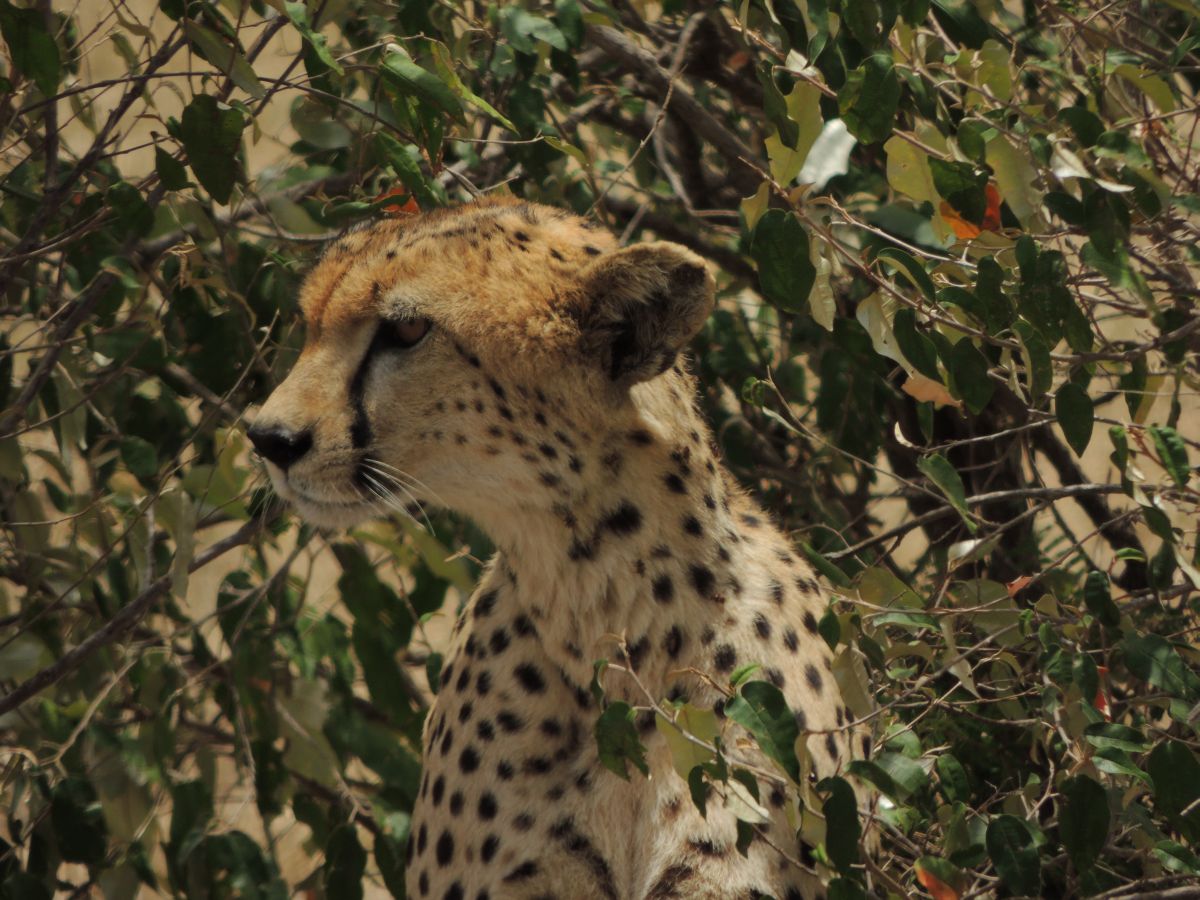
We landed smoothly and our group was met by 2 wonderful guides – Dee and Jonathan. Off we set on the short drive to camp (or rather, it would have been short had we not encountered a cheetah on the way, with 2 dinky little cubs – so OF COURSE we had to sit and watch them for a while!).

Tipilikwani is located on the northern border of the Masai Mara, right on the Talek River and not too far from the Talek Gate, so if you are driving down from Nairobi, it is ideally placed. When you arrive, you cross a small bridge, and head towards Reception, where you are greeted with a much needed face cloth to wipe away the Mara dust, a gorgeous welcome drink, and a huge friendly smile from the management staff.

My tent was large to say the least – 2 double beds just for little me, a writing desk, a huge en-suite bathroom with 2 basins, a flushing toilet and a walk-in shower – none of this bucket shower melarkey either, it was hot running water at the turn of a tap! Outside I had my own private wooden deck – the perfect setting for the massage table to be set up on when I eventually got a spare couple of hours to myself.

The camp itself is what I would call ‘authentically rustic’ – the main dining/lounge and bar area is dark wood with open sides – for me, it just said ‘you are on safari’ immediately you walked in. There are no frills here, just a good, honest, down to earth safari experience. And great food too – lunch was a 3 course affair, so was dinner – with choices galore. You do not go hungry here, I can tell you!

Being near the gate does mean that it is near a village, so at night, you have the true safari sounds of lion roaring and hyena calling – which in turn set off the village dogs who then bark, who in turn disturb the cattle owned by the local Masai who live in the village. So it is a combination of comforting ‘home’ noises (my cat does like to annoy next door’s yappy little terrier so the sound of a dog barking was just like lying in my own bed at home) combined with exciting ‘safari’ noises.

The area around Tipikikwani is renowed for its high hyena population, so if you are a hyena fanatic, this really is the place to go! We did see quite a lot out on game drives, and we were also fortunate enough to meet 2 hyena research students who are studying in the area for a year – who ‘introduced’ us by name to the local hyenas from a huge file of photos that they have compiled over the months – they are so passionate about their work and it was lovely to hear their stories.

As well as hyena, on our game drives, we saw absolutely loads – lion, cheetah, zebra, rhino, giraffe, warthog, buffalo, leopard, elephant, vultures, impala, gazelles… it was a never-ending stream of wildlife just presenting itself to us. And we were only here for 2 nights – so 4 game drives in total. All you could hear at times was the constant click click click of cameras going off simultaneously. It was a wildlife photographers dream. But that is the Masai Mara…mmm, I wonder why it is one of the most popular safari destinations in Africa!!

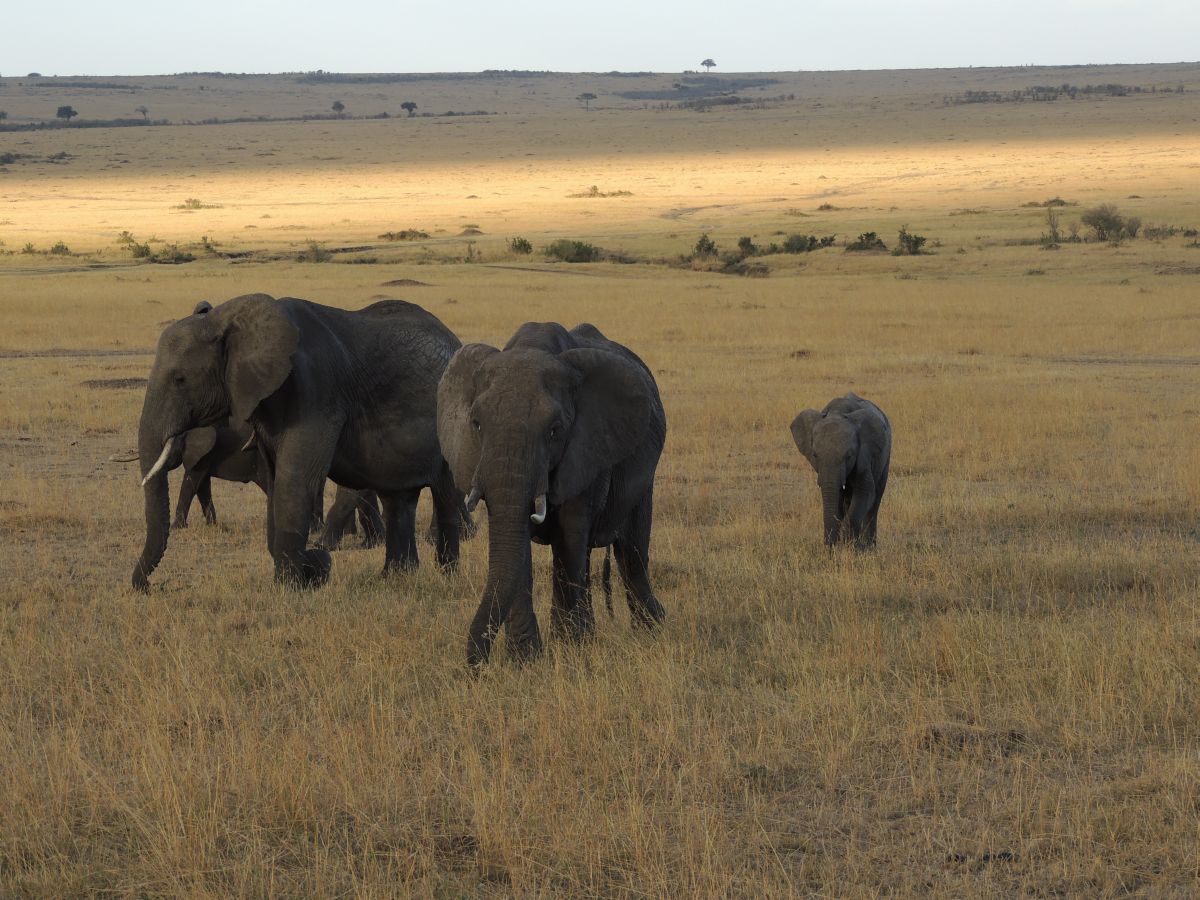
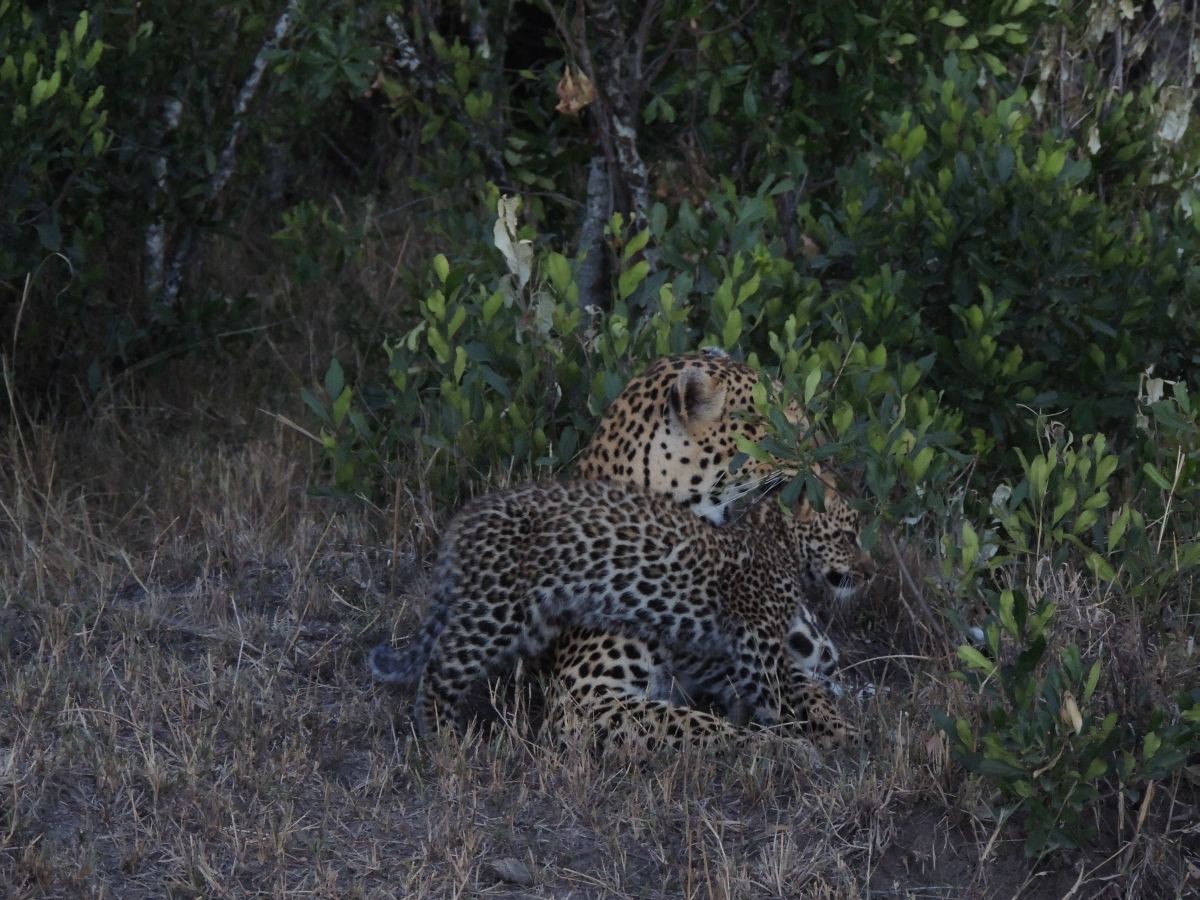
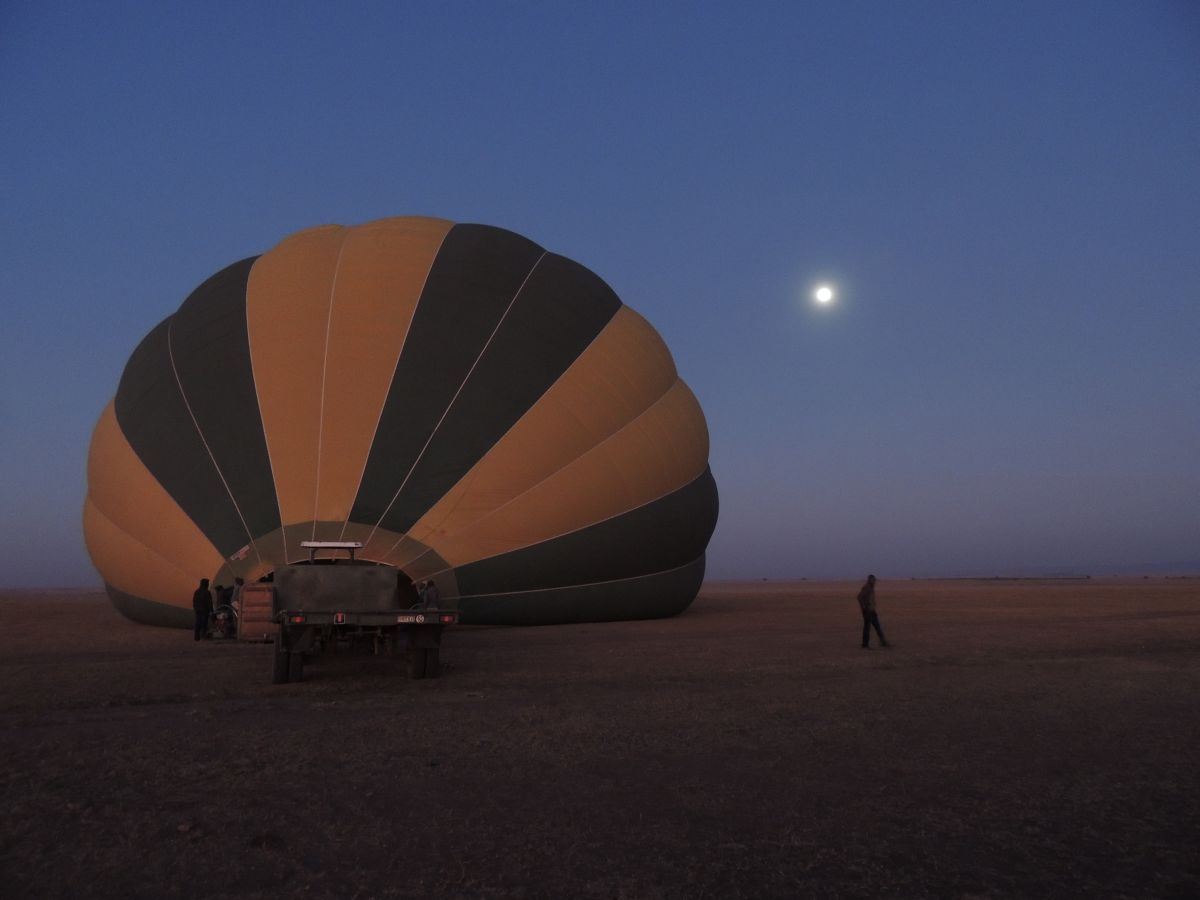
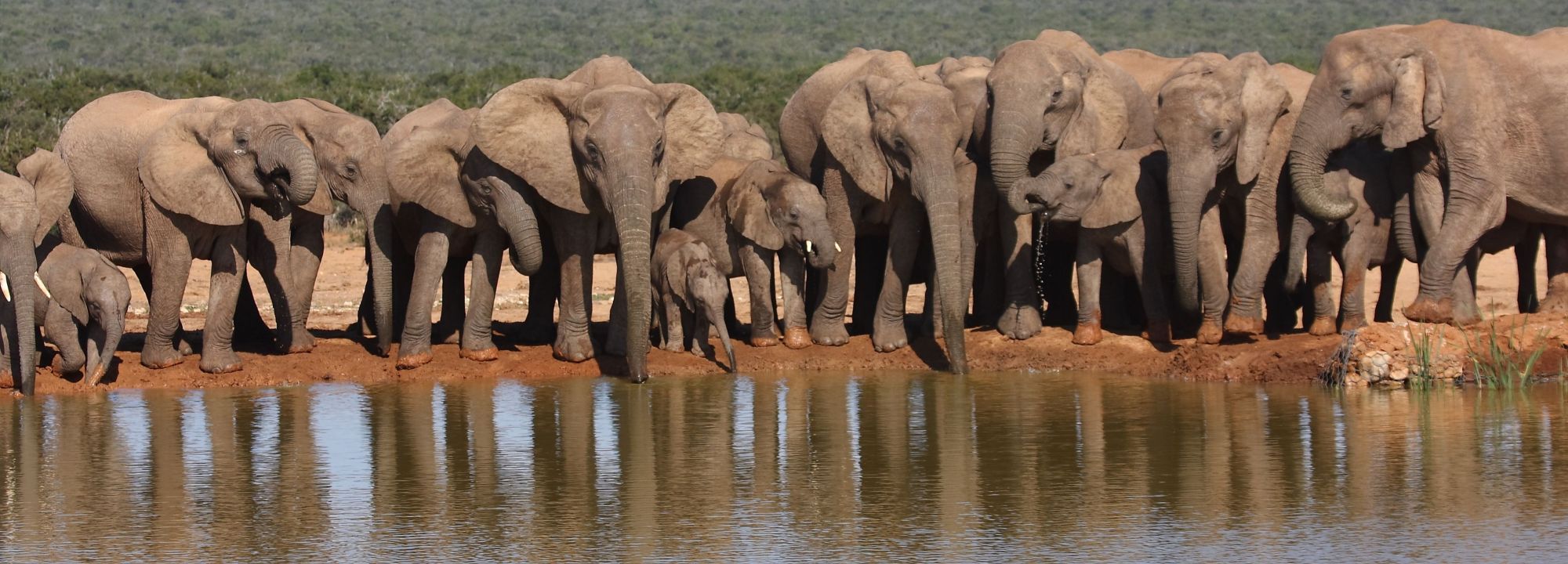
My 5 highlights of my short stay here were sitting watching a leopard mum interact with her cub, heading out at 4 am to see the supermoon and the eclipse, dinner in the bush on our 2nd night (all beautifully lit with lanterns), finding a lovely family group of elephants, and going on a sunrise hot air balloon trip.

Was I sorry to leave? Yes I was. It felt like home the minute you arrived, and it was difficult to say goodbye. Little did I know at the time that my next stop was going to leave an even bigger impression… more on that later…
212

051

574

359

629

September 22, 2015

22 September is World Rhino Day

Filed under: African Safari,South Africa — Tags: , , , , — Tracey Campbell @ 9:47 am

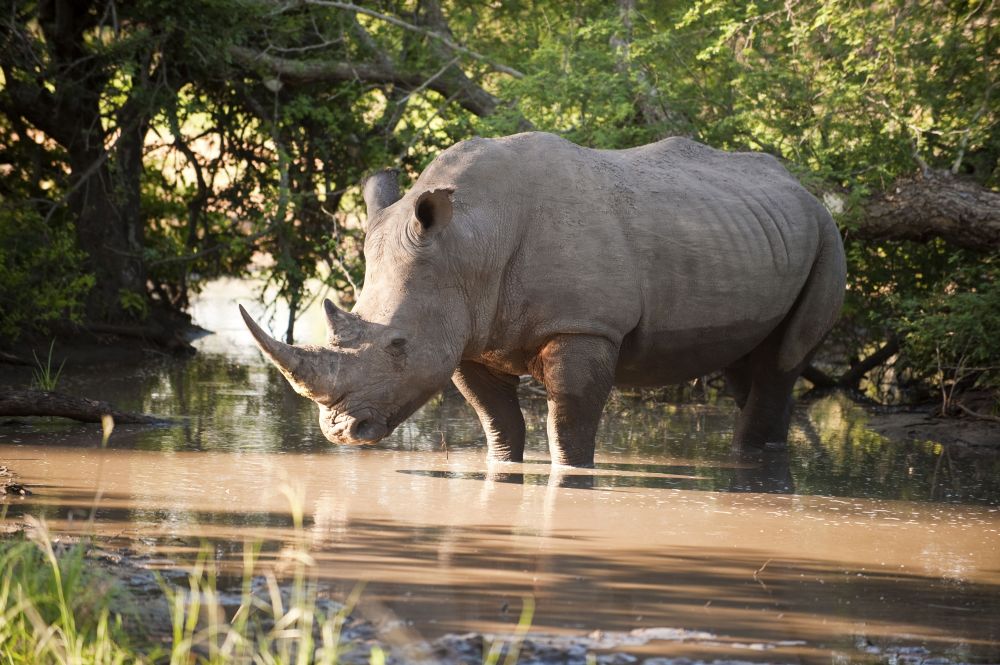
Today is World Rhino Day. There will be lots of stories today about this truly worthwhile cause, which is to stop the barbaric and illegal trade in rhino horn, and to promote global rhino conservation issues. Rhino horn is believed by some to have medicinal purposes, such as a miracle cure for fever, pain, arthritis, and even cancer. Hundreds of rhinos are being slaughtered for their horns in South Africa and the figure continues to rise. The animals are being hunted and cruelly killed, and even rhinos in the private game reserves are being targetted.

However, today is also the day to celebrate the rhino. A famous member of Africa’s Big 5, when tracking rhino you can always tell where they have been because of their middens – a reasonably sized pile of dung basically that marks their territory. But did you know that a long, long time ago, the rhino’s middens used to be much, much larger…

Once upon a time, when the animal kingdom could talk, Elephant used to tease Rhino about his short sight and bad temper (this is a bit of pot calling kettle black, but hey, if you are the size of Elephant you can afford to tease any other animal without fear…). After many months of this incessant teasing, Rhino, who is not short of a few pounds himself and has plenty of courage, decided to stand up to Elephant and challenged him to a duel.

The rest of the animals gathered round, to decide what would be a fair contest. They all agreed that a fight was out of the question – Rhino had the unfair advantage of a rather sharp horn as a weapon; Elephant had the rather unfaair advantage of being twice the size of Rhino – so they all put their heads together to think of something that both Rhino and Elephant had in common, to make it a more even contest.

Now, both Rhino and Elephant are known in the animal kingdom for the sheer amount they can eat in a day, so Lion had the idea that they should have a contest to see, over the course of a day, who could produce the largest dung-heap.

Rhino and Elephant set off in the morning, and ate and ate and ate. At the end of the day, the animals gathered around to look at both dung heaps. Rhino’s dung heap was just huge, and it completely dwarfed the dung-heap that Elephant had produced. Rhino was the winner.

However, rather than accept the winner’s crown graciously, Rhino did gloat a bit. And a bit more. And even more. Now, as mentioned earlier, Elephant is also not particularly known for his calm temper, and Rhino’s gloating made Elephant lose his temper. And when Elephant lost his temper, well, just watch out. He threw Rhino to the ground and beat him with his trunk and tusks. Poor Rhino did not stand a chance, and begged for mercy and for Elephant to stop. Eventually, Elephant did stop, but only after he made Rhino promise never to challenge him to another duel and NEVER to make Elephant look anything less that the mighty King of the Bush.

Rhino never forgot that terrible beating, and afraid that he may get another one, he always today makes sure that his dung-heap is smaller than that of Elephant. And that is why Rhino kicks at it, scattering it until it is quite flat.

Rhino in Kruger Park

September 16, 2015

24 Hours in Windhoek

Filed under: Namibia — Tags: , , , , , , — Tracey Campbell @ 7:45 am

Windhoek…for most visitors to Namibia, it is just a city where you land and depart from. Many people arrive early in the morning, pick up a hire car and head straight off to the more iconic Namibian destinations such as Etosha or Sossusvlei.

But we always like to suggest that you spend your first night in Namibia in Windhoek – not only does this give you time to recover after the international flight (especially if you do not find it easy to sleep on planes!) but actually, Windhoek is a pleasant little city and is worthy of more than a cursory glance. I personally have spent a long time here, and have a very soft spot for Windhoek indeed!

So for anyone with 24 hours in Windhoek, here is our quick ‘insider’ guide of what you can see and do:

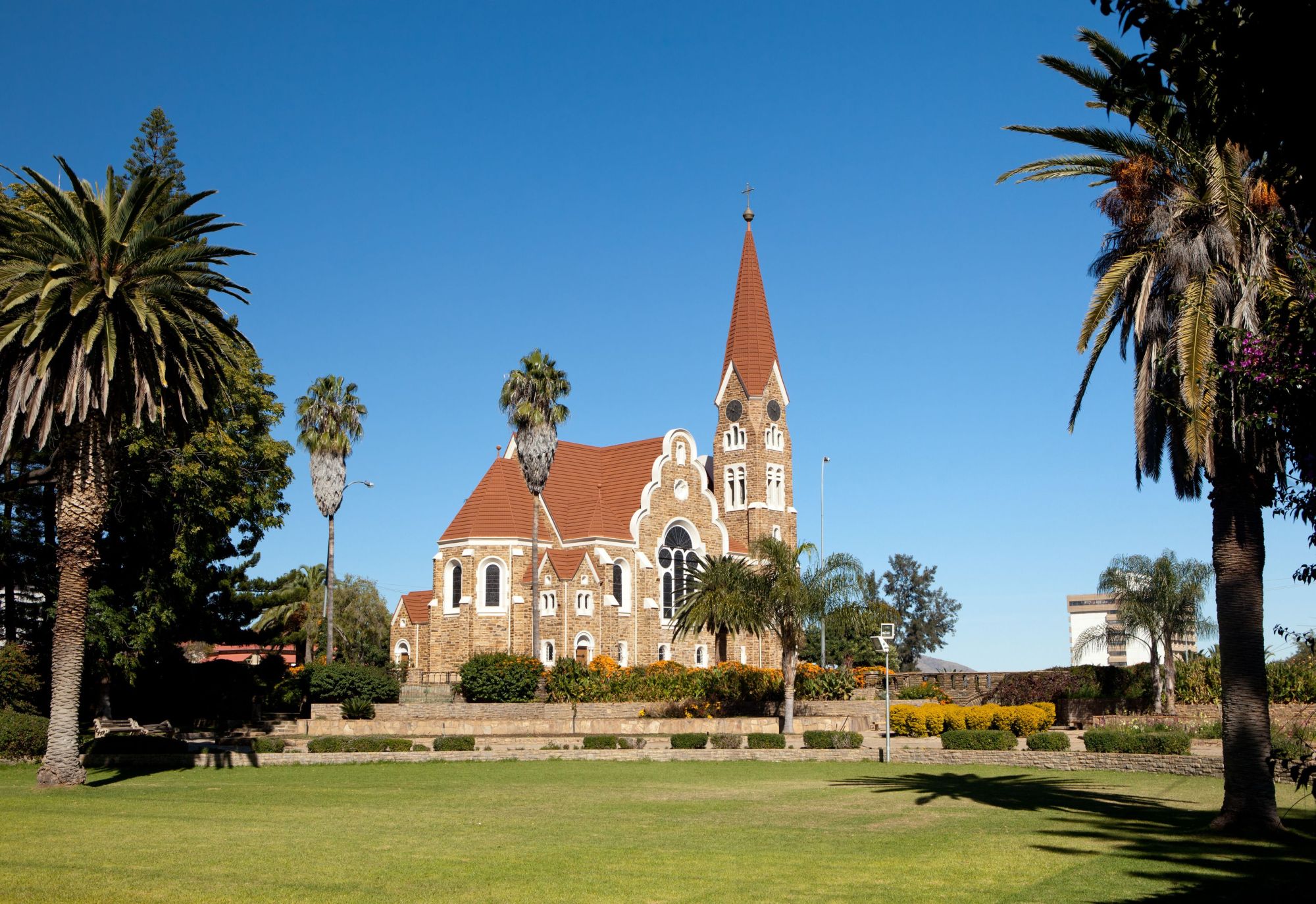
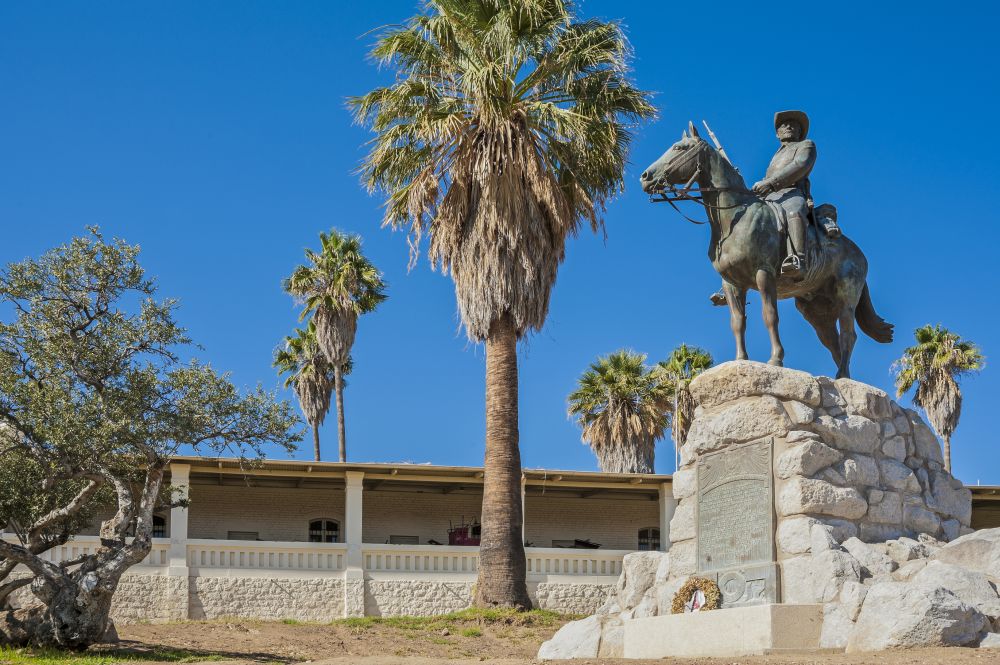
Definately spend some time on a self-guided walk through the city centre, exploring the Independence Museum, the Christuskirche and the Tintenpalast Gardens. Don’t miss out on visiting the Craft Market – this is a one stop outlet for numerous Namibian artists and women’s empowerment projects. Leatherwork, basket weaving, pottery, jewellery and textiles are all on sale here and the origins and artists of each piece is documented. If you haven’t had your duty-free shopping fix already, then this is the place to head for!

For those who have a little more time on their hands, join Equitrails for a horse riding trip on a farm just to the North of Windhoek, or explore the colourful Windhoek townships on a bicycle and learn more about the cosmopolitan capital city’s history.

If you need to get out of the city, head down to Avis dam, on the airport road. This is a great birding spot very close to the city centre. Violet eared waxbills, Crimson Boubou, near-endemic Bradfield’s Swift and the Rock runner can all be spotted here.

You won’t need to take your umbrella to Windhoek – the city is known for having over 300 sunshine days a year. If it does rain when you are there, don’t despair – just sit and people watch, as it is normal to see the locals outside trying to figure out what this liquid is falling from the sky!!

If you’re feeling peckish head for the Stellenbosch Bistro and try their steak – they do have the best in Windhoek – or visit The Olive Exclusive and have their chef’s tasting menu. However, it is also fair to say that you cannot go to Windhoek without visiting the famous Joe’s Beerhouse – it is a drinking/eating legend in its own right!

If sunsets are your ‘thing’, the best place to catch this is at River Crossing Lodge, on the outskirts of the city towards the east. Close to the second highest peak in Namibia, River Crossing Lodge is the perfect location to enjoy a sundowner drink while watching the sunset over the city, as the twinkling street lights turn the capital into a fairy tale wonderland.

After your sunset sundowner, head back into the city to the Skybar on the rooftop of the Hilton Hotel right in the city centre – they have a mean cocktail menu, we recommend working your way right through the alphabet!

And finally, a little ‘did you know’ fact about Namibia to wow your friends with when you get home…the ‘Namibian Sun’ is a patented diamond cut unique to Namibia and inspired by the Sun emblem on their National Flag; and was first debuted in 2005. An independent laboratory report by the Hoge Raad Voor Diamant in Antwerp has concluded that the Namibian Sun cut has an 8% greater light return and a 1% greater contrast than the traditional classic brilliant cut – the diamonds in Namibia REALLY do sparkle a little brighter.

https://www.dreamstime.com/royalty-free-stock-image-christ-church-windhoek-image19946746

dreamstimelarge_28536591

September 1, 2015

Kenya eVisa Requirements from 01 September 2015

Filed under: Kenya,South Africa,Travel News — Tags: , , , — Tracey Campbell @ 10:04 am

As of today (01 September 2015), it is no longer possible for tourists to Kenya to obtain a visa upon arrival at their port of entry. It is now compulsory to apply online for your visa via the eVisa portal https://www.ecitizen.go.ke/.

It is quite a simple process:

Please ensure that you apply at least 3-4 weeks in advance of your proposed travel dates as approvals may take up to 7 working days to process. Once the eVisa is issued, it is valid for 3 months.

A full list of the nationalities who qualify for an eVisa can be found at on the eCitizen website . If your nationality does not qualify for an eVisa, please contact your local Kenyan High Commission or Embassy.

The following 2 eVisa types are available:

1. Single Entry – Allows you to enter into Kenya once – current cost US$50.

2. Transit – Allows a short stop over (up to 3 days) in Kenya – current cost US$20. This is ideal if you want to leave the secure area of the airport, for example for an overnight stay inbetween flights, or for a period not exceeding 72 hours. No visa is required for a direct transit (not leaving the secure area of the airport, aka staying ‘airside’, within the airport terminal) between 2 flights.

All costs quoted are subject to change.

Your passport should also be valid for a minimum period of 6 months from the date of entry into Kenya.

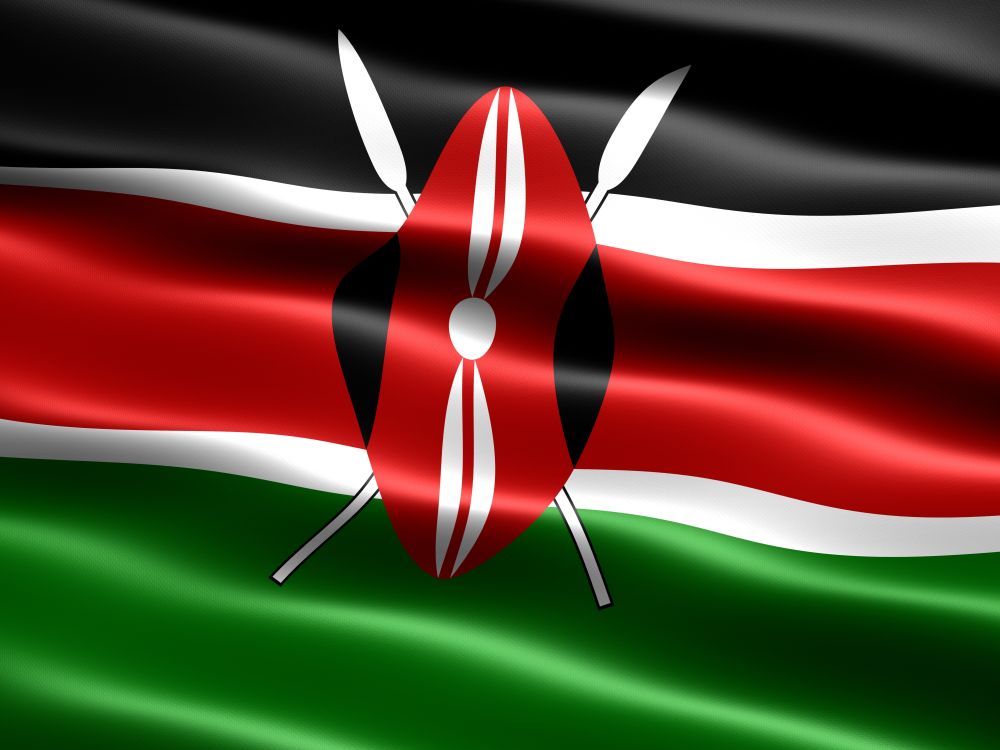
Flag of Kenya

August 12, 2015

World Elephant Day – August 12 2015

Filed under: African Safari,Travel News — Tags: , , , — Tracey Campbell @ 11:43 am

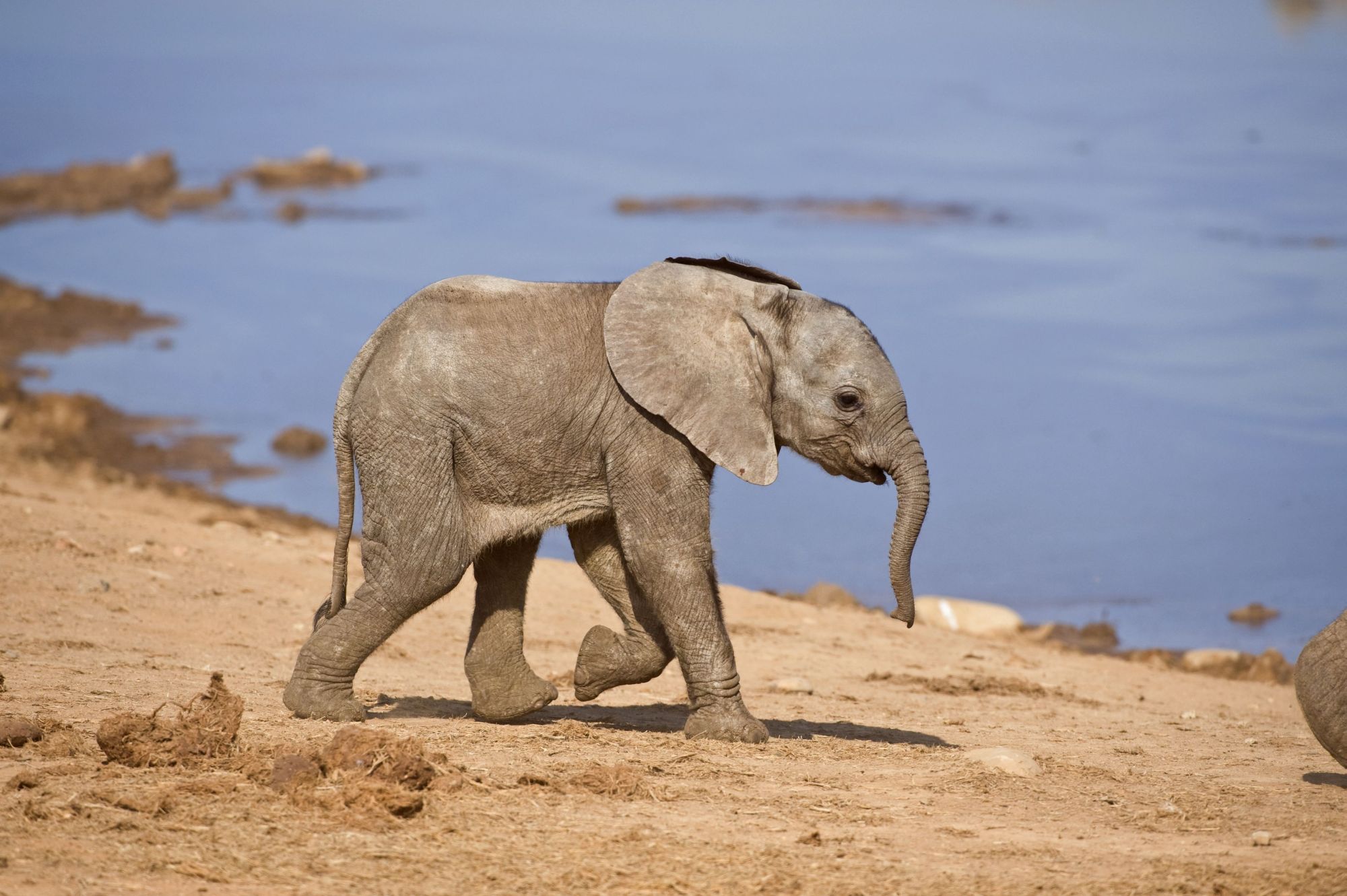
Today is World Elephant Day, when we all come together in our support to protect these gentle giants of the African and Asian bush and their natural habitat. First launched back in 2012, August 12 has become the day to draw people’s attention to the urgent plight of elephants, one of the most loved and respected animal species worldwide.

It is heartbreaking when you realise that today, the future of the elephant is severely under threat. Escalating poaching, habitat loss, human conflict and even captivity are just some of the threats the elephant faces. It is estimated that there are less than 400,000 African elephants and less than 40,000 Asian elephants remaining worldwide.

https://www.dreamstime.com/stock-photos-baby-elephant-image9183873
We have to ensure their future is safe, by working towards improved protection for the elephants in the wild (especially against illegal ivory poaching – about 100 elephants are being killed every day for their ivory), enforcing policies to prevent the trade of ivory, and having programmes to re-introduce captive elephants back into the wild. These are the goals that numerous elephant conservation organisations are focussing on worldwide.

On World Elephant Day, please take a few minutes out to support solutions for the better care of captive and wild elephants alike.

If you want to sound knowledgeable about elephants when you are telling your friends all about this worthy cause, here are a few interesting facts that you can throw into your conversation:

Did You Know That…

– An African bull’s tusks can grow to over 11 feet long and weigh 220 pounds.
– An elephant’s trunk can grow to be about 2 metres long and can weigh up to 140 kg.
– Elephants can hear each other ‘trumpet’ up to 5 miles/8 km away.
– The largest elephant on record weighed in at a whopping 10,890 kg and was 13 feet tall.
– Elephants are scared of bees.
– Elephants are the only mammals, apart from humans, to have a chin.
– Elephants normally sleep between 2-3 hours a day.
– An adult elephant needs about 300 kg of food and 160 litres of water a day.
– A female elephant will be pregnant for nearly 2 years.
– Elephants have an extremely keen sense of smell, and can smell water from 12 miles away.

dreamstime_xl_11980157 kruger

August 10, 2015

Top 5 Places to See Lions In the Wild

Filed under: African Safari,Botswana,Kenya,South Africa,Tanzania,Zambia — Tags: , , , , , , , , , , , , , — Tracey Campbell @ 9:03 am

We have seen a lot of news articles recently about lions, well, one lion in particular, but today is not for mourning Cecil, but it is for remembering him and celebrating the existence of lions all over the world – present and past. Today is World Lion Day – the first global campaign to recognise the importance of the lion worldwide.

The future of lions is slowly moving towards extinction across Africa and India. Humans have lived alongside the King of the Jungle for thousands of years and today, there have never been a more pressing need to embrace the conservation of these magnificent creatures, to help them continue to remain in our lives for the foreseeable future. Lion conservation, raising awareness and education is paramount to their continued existence.

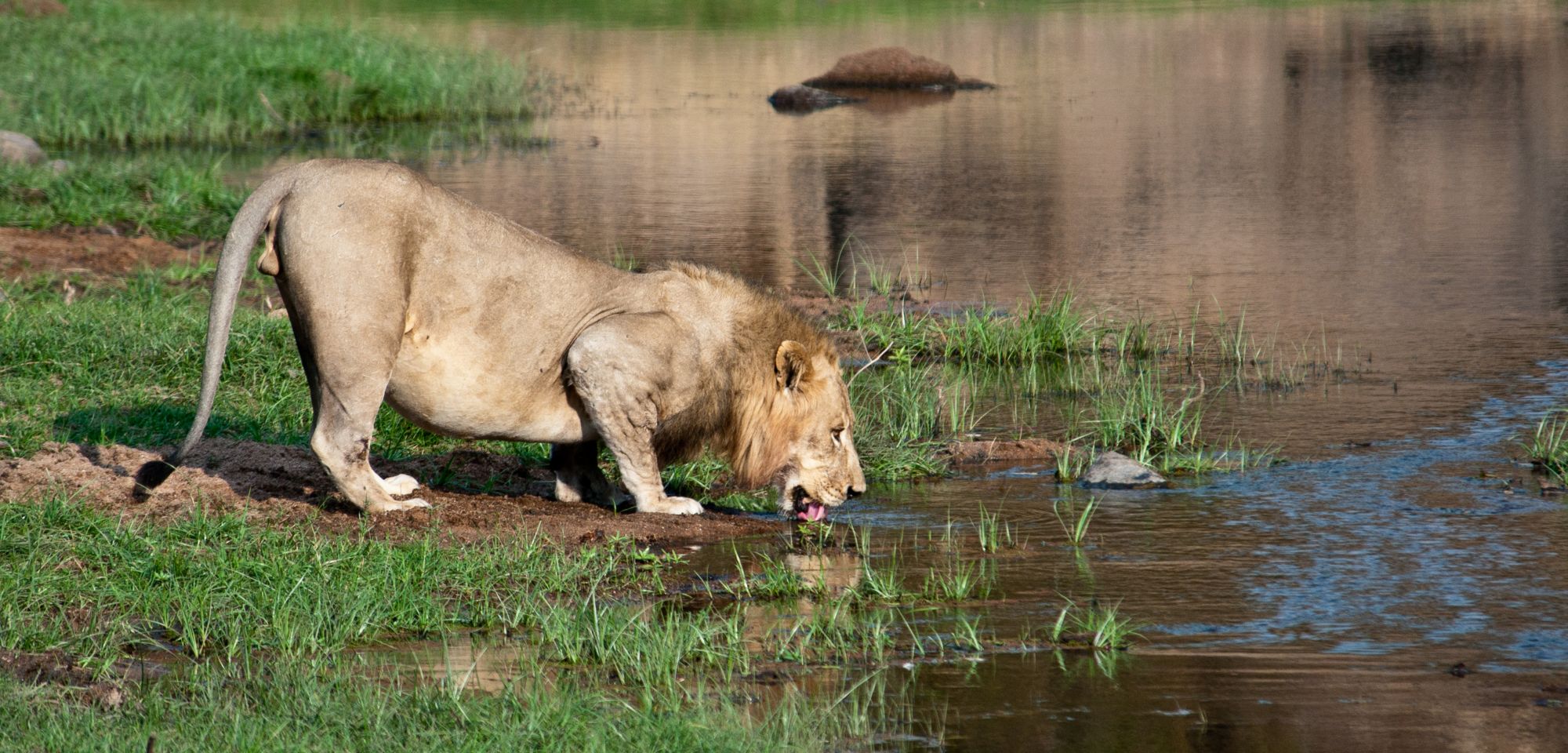
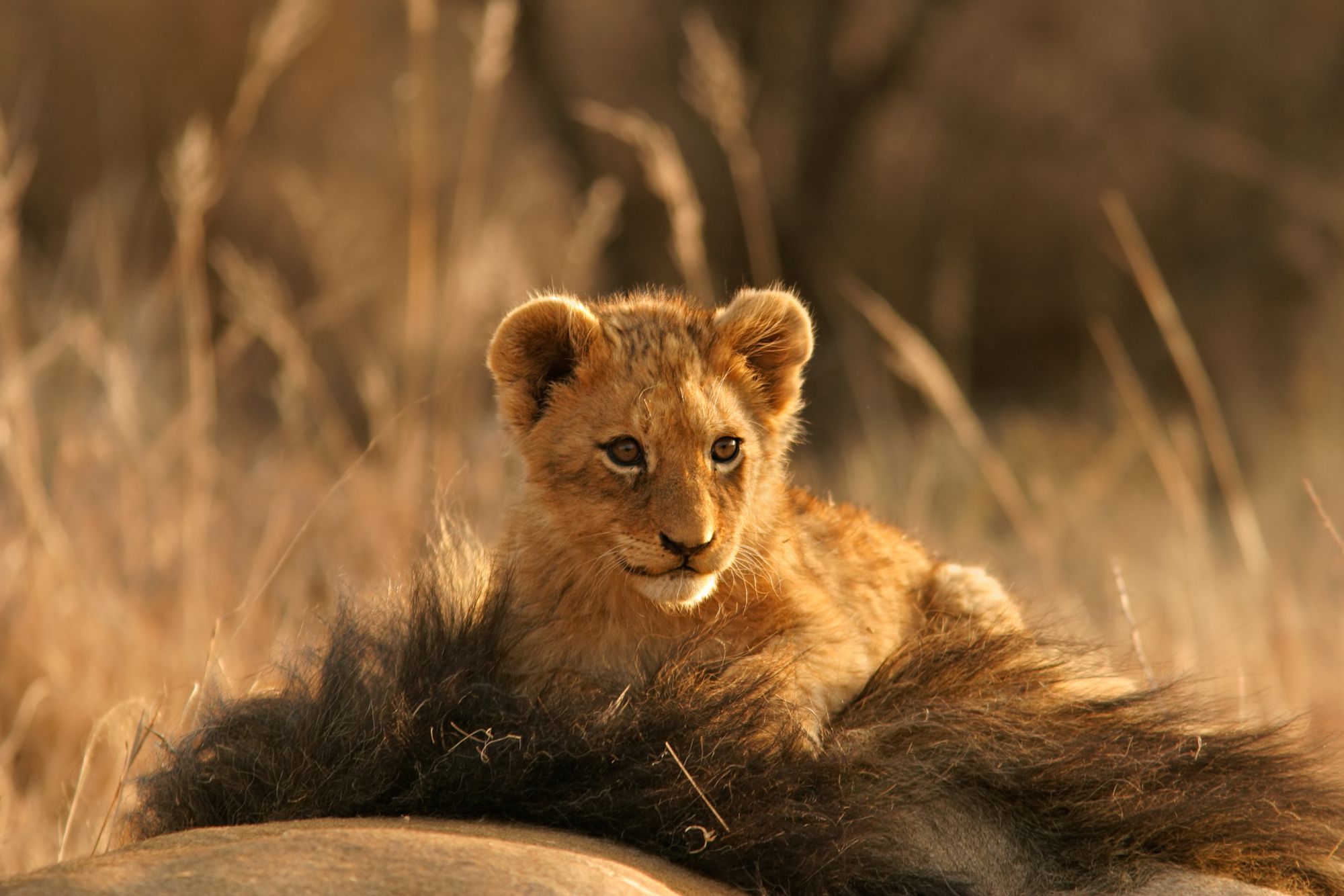
As a visitor to Africa, going on safari and being able to see lions in the wild is a magical experience. To watch them interact with each other in their pride, to understand and learn about their behaviour from your qualified ranger or field guide, to hear their gutteral roaring at night and to see them hunt together is an experience that most people will never forget. If seeing lion in the wild has always been on your bucket list, there are a number of places that you can visit to realise this dream. Here are our Top 5 destinations.

Masai Mara – Kenya
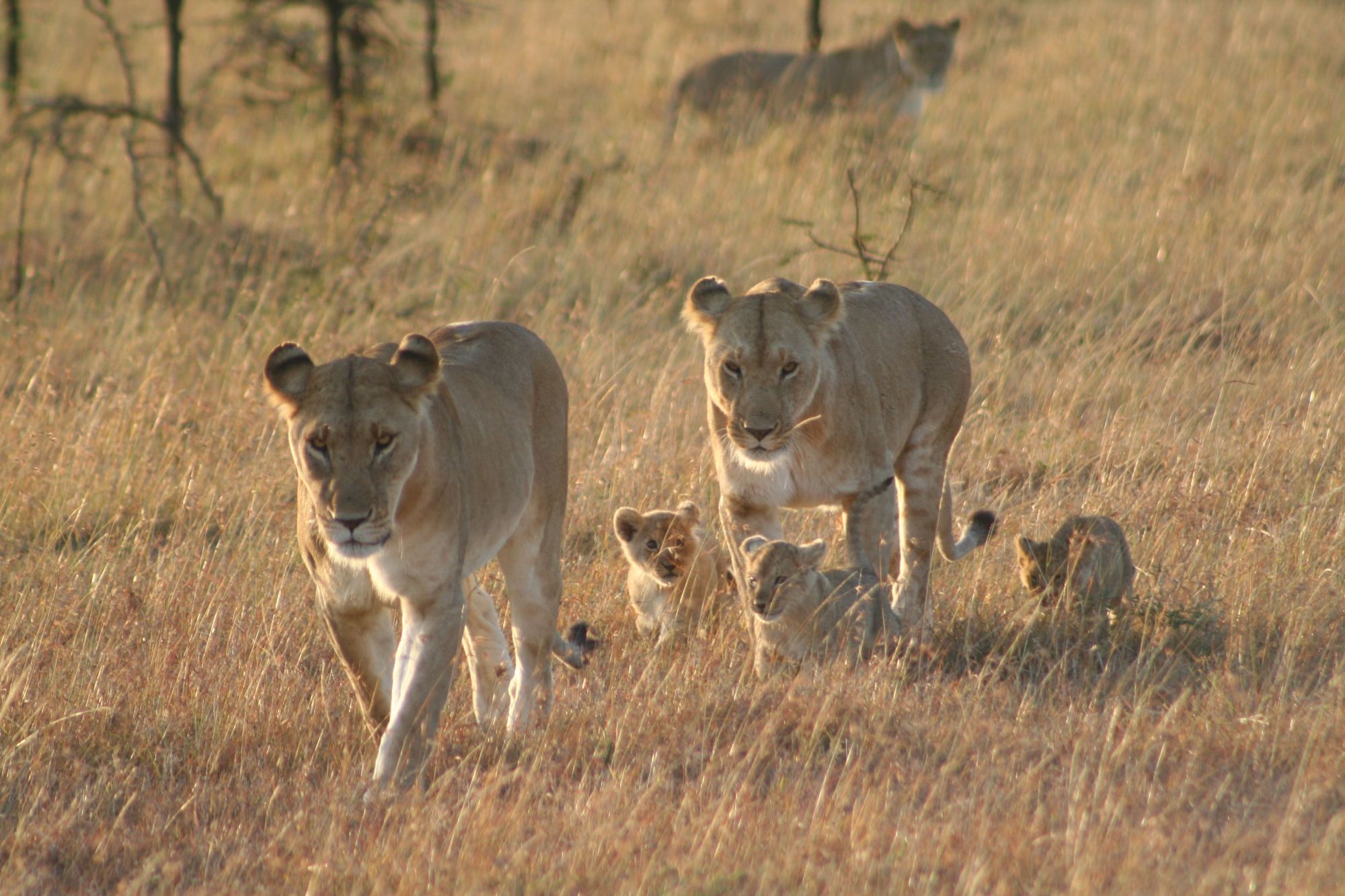
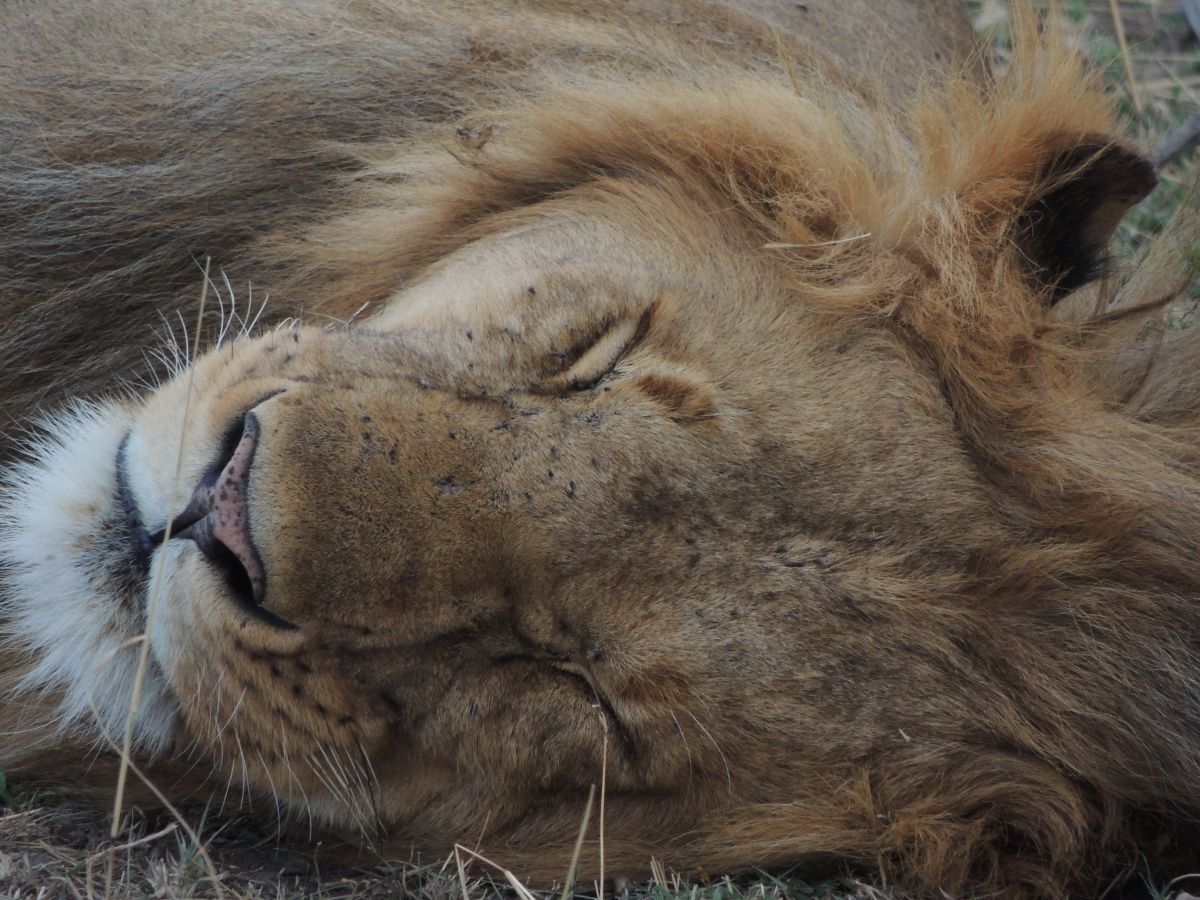
Home to the Big Cat Diary, the grassy plains of the Masai Mara, baked golden by the African sun have always been a firm favourite for lion lovers. The ready supply of antelope, zebra, and wildebeest means a constant supply of food for the resident prides – especially during the months of July through to September/October, when the Great Migration arrives from the drier Serengeti Plains into the Mara in search of the green grass here.

IMG_3004 Morning Game Drive from Porini Lion

Sabi Sands Private Game Reserve – South Africa
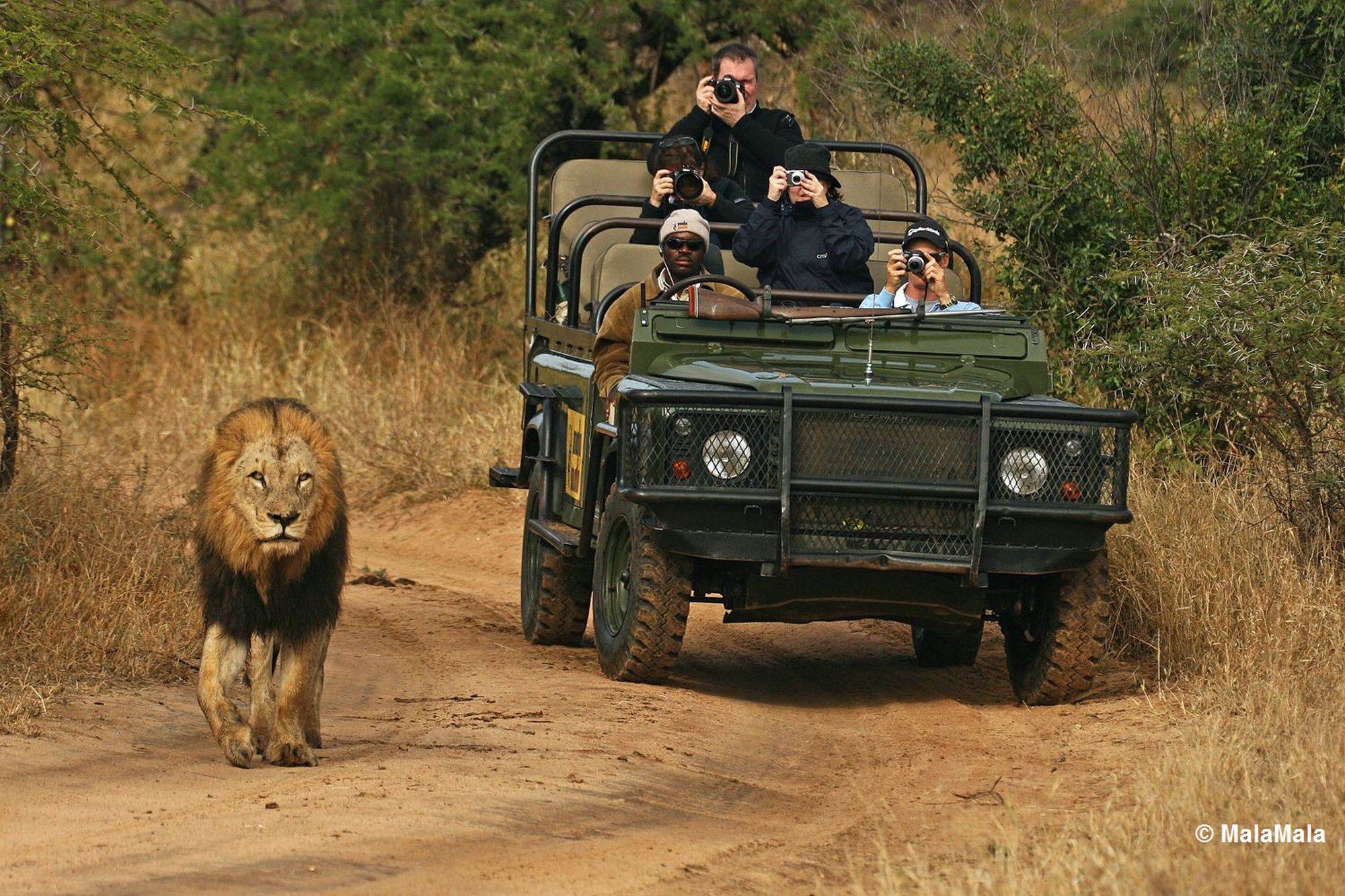
Sabi Sands is the most famous of the private reserves adjoining the Kruger National Park. Covering over 65,000 hectares of wild bushland, it offers possibly some of the best lion viewing opportunities to be found on the continent, and provide an unforgettable experience. The land is privately owned, so the game viewing vehicles are not restricted to the road network and it is therefore possible for the experienced guides to follow the prides through the bush and to get extremely close to the animals as they go about their daily way of life.

Mala Mala - 24_lrg

Botswana
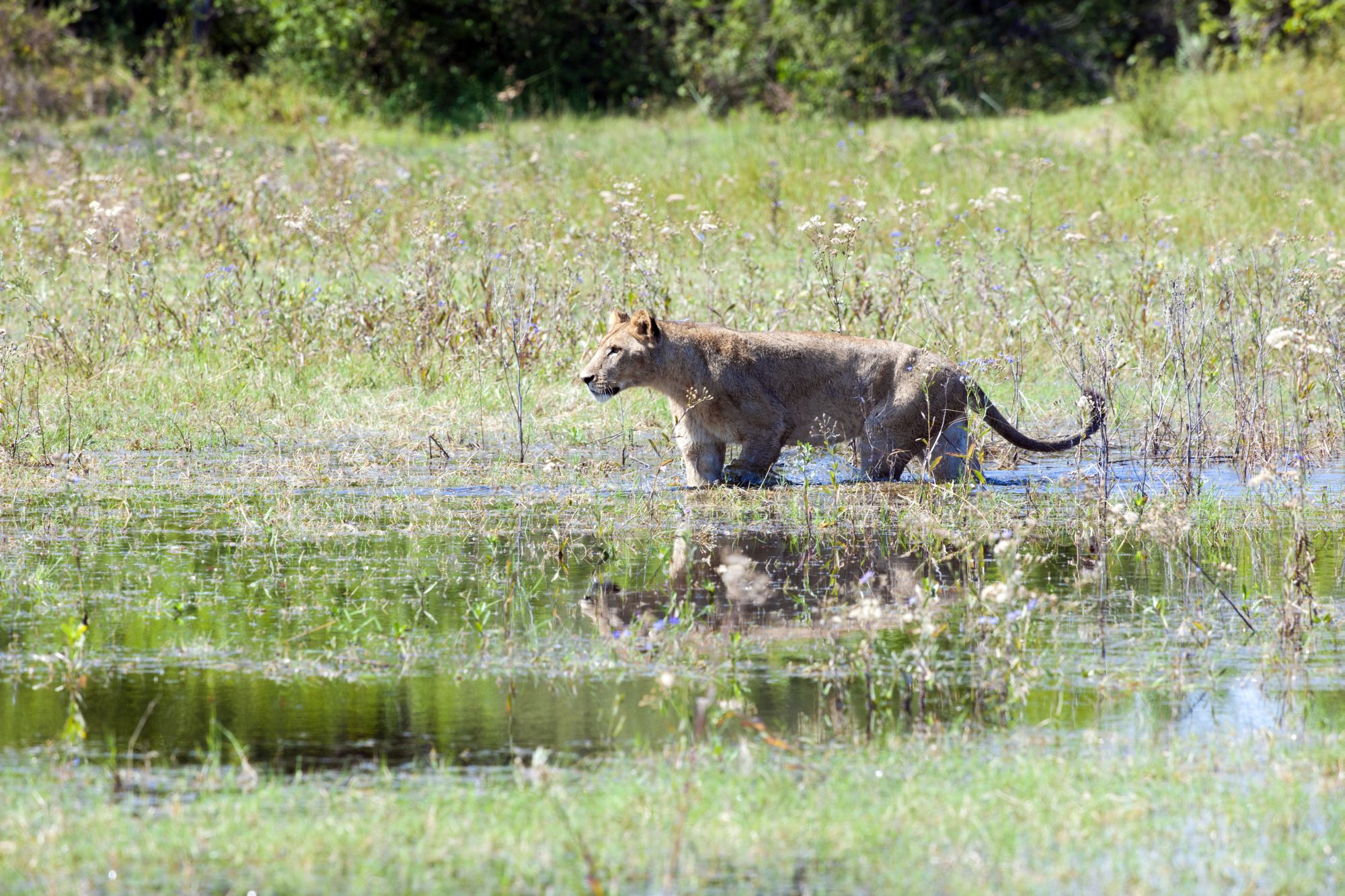
Botswana is now one of only 7 countries left with a lion population over 1,000 making it imperative to conserve the species in this country. In particular, you have the famous lions living in Savute who are known to specialise in preying on elephants, and a pride in Linyanti who hunt hippo. Visitors to the Okavango Delta may seen lions crossing the waterways from island to island in order to hunt.

dreamstimemaximum_23743771 OKAVANGO DELTA

Ruaha National Park – Tanzania
The Ruaha National Park is renowned for its undisturbed wildlife and stunning, rugged scenery, as well as it’s flourishing lion population. It is estimated that Ruhaha is home to the 2nd largest lion population in Africa – so about 10% of all lions left in the world.

dreamstimemaximum_28354087 RUAHA

South Luangwa National Park – Zambia
The Luangwa Valley has a healthy population of lion, and prides of up to 30 lions are common here. The birthplace too of the ‘walking safari’ you also can have the opportunity to approach prides on foot – of course, from a VERY safe distance!

dreamstimemaximum_875144 GENERAL

July 22, 2015

24 Hours in…Cape Town

Filed under: Cape Town,Family Holidays,South Africa,Travel Butlers — Tags: , , , , , , , , , , , , , , — Tracey Campbell @ 9:02 am

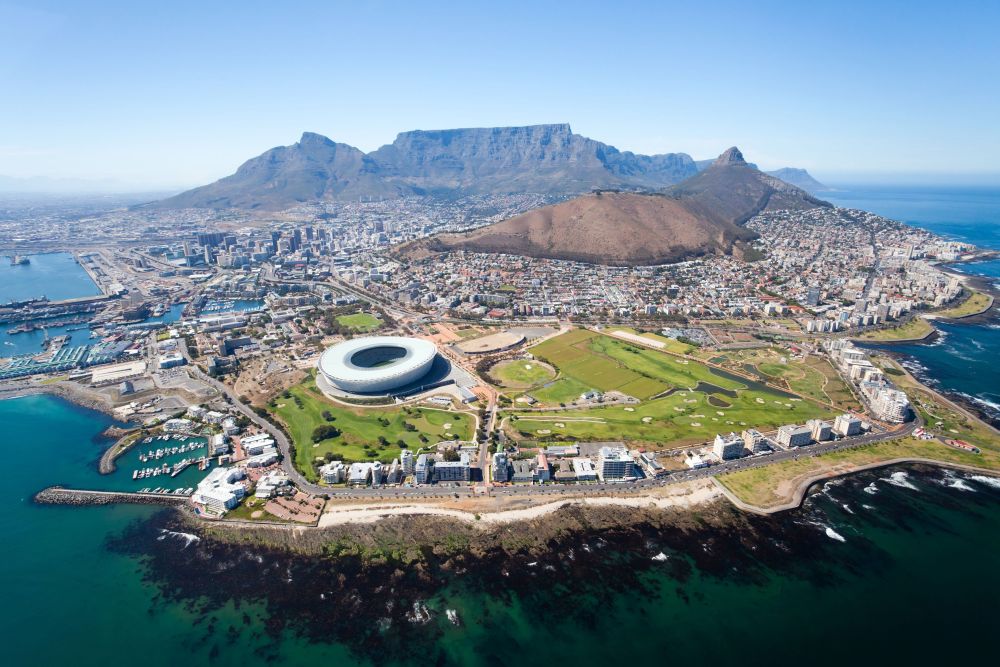
Cape Town is one of the world’s most beautiful cities – with a magnificent mountain as its centre, miles of sandy beaches, a colourful and moving history, and countless bars and restaurants, Cape Town captures the hearts of visitors. We normally recommend a minimum of 3-4 nights, so that you can really get to see everything that the city has to offer… but if you only have 24 hours here, this is a list of what we consider you just HAVE to try and fit in!

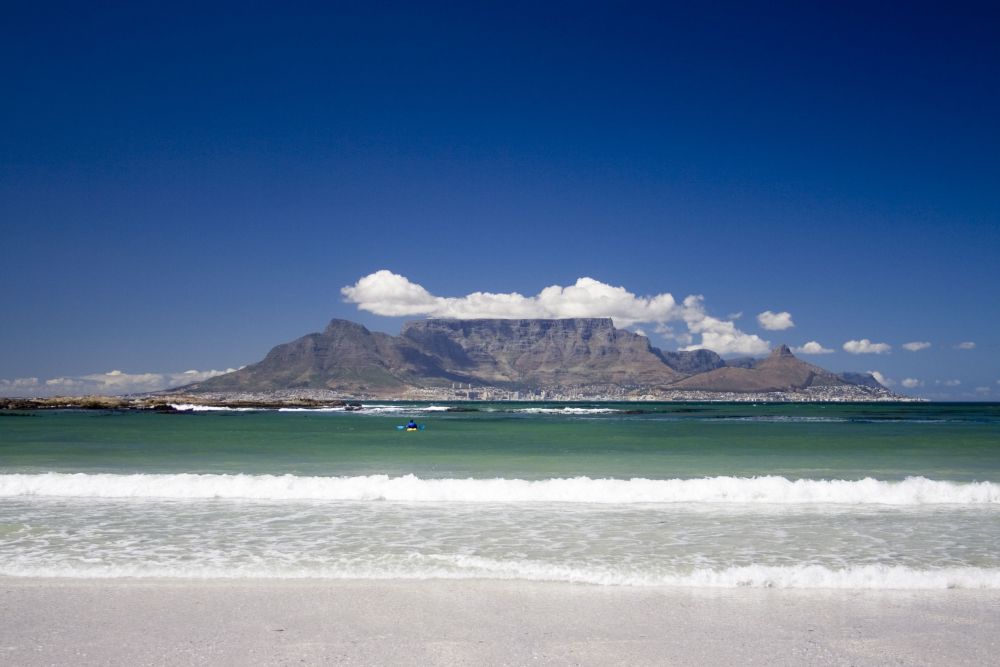
1. On arrival head for Table Mountain! This really is one of the main highlights of Cape Town, and you really cannot come to Cape Town without having taken a cable car ride to the top and back down again.

https://www.dreamstime.com/royalty-free-stock-photos-table-mountain-summer-image1678888

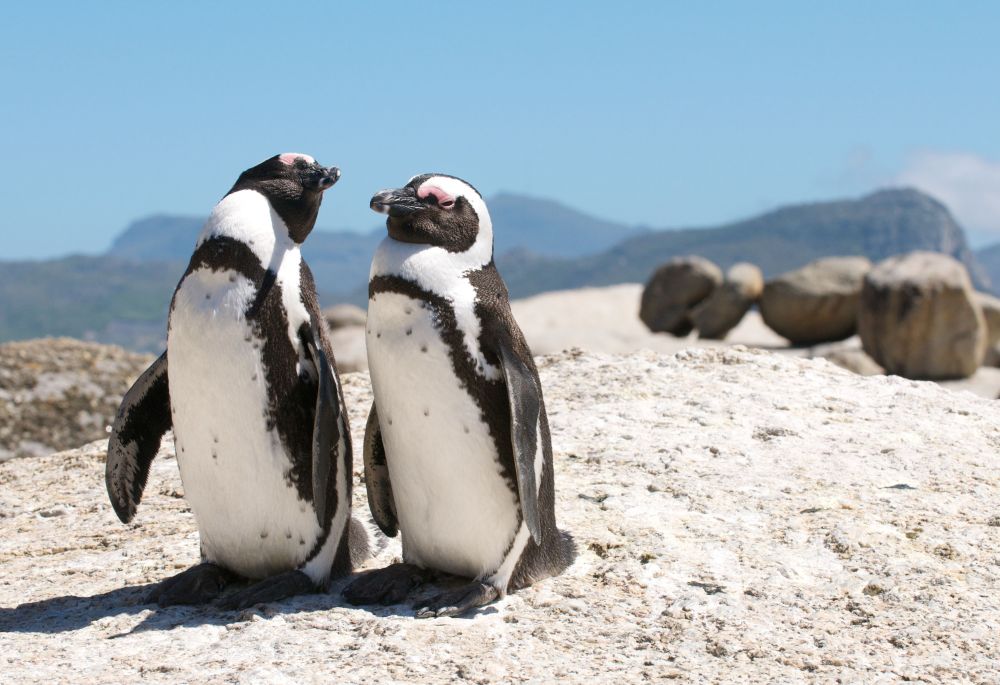
2. The V&A Waterfront is a good place to start in the morning, where you can also catch a City Sightseeing Hop on/Hop off bus trip OR canal cruise, or just stroll around and take in the buzzy atmosphere of the shops, restaurants and food markets, and the cheerful working harbour. In the afternoon, head out to Cape Point, and take a drive along the Southern Peninsula, maybe stopping along the way at Boulders Beach, home to a huge nesting colony of penguins. The main viewing platforms allow you get right into the middle of the breeding colony where you can observe and photograph the penguins at close quarters; the second beach is smaller and lesser known, but you can actually get onto the sand and into the sea here and there are usually a few dozen penguins mixing with the bathers. You can then make your way back to town along the Atlantic coast enjoying the GREAT sights of Chapmans Peak.

https://www.dreamstime.com/royalty-free-stock-image-penguins-boulders-image23111496

3. If you’re feeling peckish, Cape Town has some TOP restaurants. Check out NV-80 in Seapoint if you fancy a rib eye steak, oysters or shrimp. Or Belthazar Restaurant in the V&A Waterfront for a really succulent steak, or if you want to sample some authentic African cuisine, then head to Gold Restaurant.

4. On a rainy day don’t despair, there is still tonnes of things to do! Such as winetastings – Cape Town has many wine farms with excellent wines – or visit the iconic Mount Nelson Hotel for afternoon high tea. Families can head to the Two Oceans Aquarium to watch the feeding (check the times first!).

Wine pouring into a wine glass

5. Whatever you do, don’t leave without a helicopter flip/ride around the Peninsula.

6. For the best sunset photograph, the sunset is really amazing from Milnerton as you see Table Mountain and the last bit of sun rays beaming down on the mountain with all it’s different colours. It is also beautiful sitting at one of the cocktail bars in Camps Bay.

7. The best place to go for cocktails is Leopard Bar at Twelve Apostles (with the added attraction of great sunsets too!), or check out the popular Shimmy Beach.

8. Cape Town’s hidden claim to fame are the Protea Fire & Ice milkshakes – don’t leave without trying one!

9. Not a lot of people know this…the insider’s tip to Cape Town is Richards Supper Stage & Bistro – a unique theatre venue and dining experience.

10. And finally, this list would not be complete without mentioning our most favourite places in Cape Town in terms of where to stay. For a great guest house, you can’t go wrong with Floreal House, in Oranjezicht – friendly staff, beautiful location at the foot of Table Mountain, and lovely rooms. For a great value hotel, then for us the Protea Breakwater wins hands down. Situated right in the heart of the Waterfront, this hotel is steeped in history but it is the location (and the frequent Stay/Pay deals!) that makes it a perfect place to stay. And finally, for one of the best 5* luxury experiences, it has to be the Cape Grace – stylish and luxurious, with a working harbour to one side and a multi-millionaire yacht basin on the other – it is just wonderful.

dreamstime_xl_22859579

July 15, 2015

The Travel Butlers Top Ten of … Driving Tips in South Africa

Filed under: South Africa — Tags: , , , , , , — Tracey Campbell @ 10:00 am

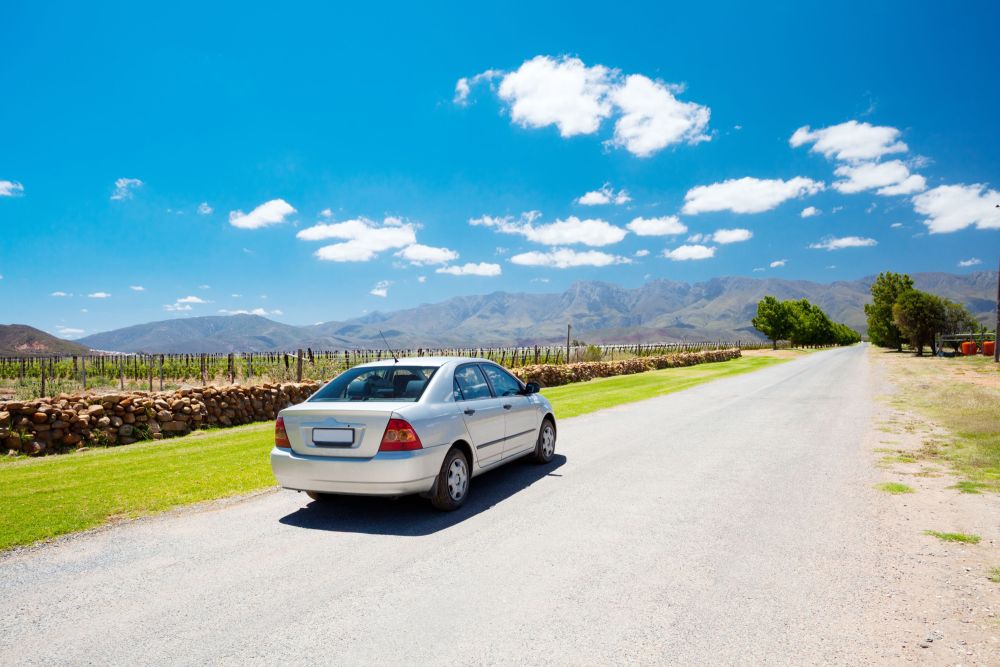
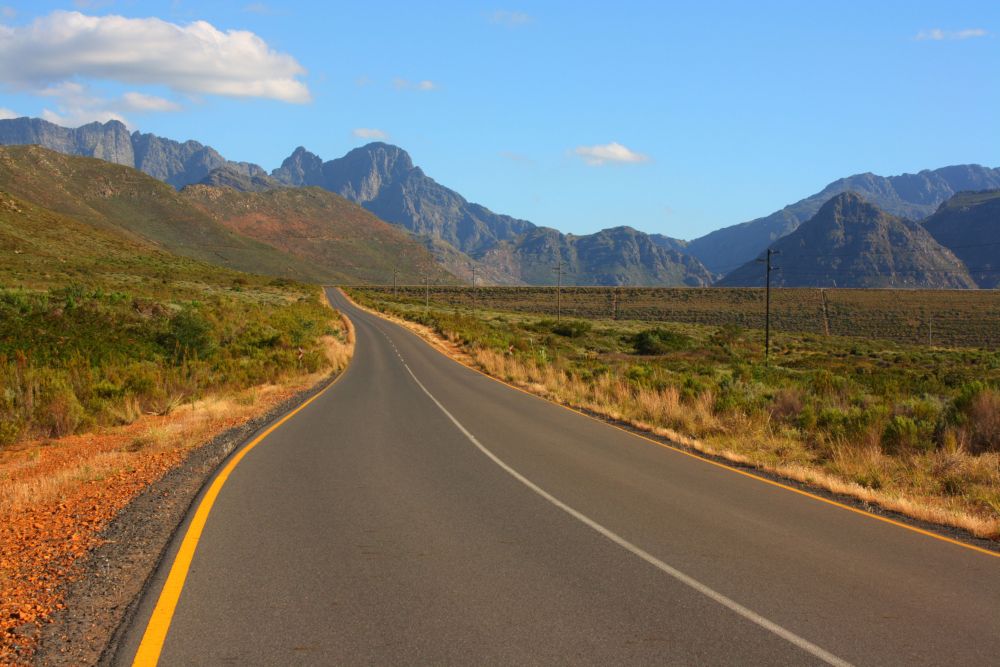
One of the best ways to see South Africa is to get into your own car and explore at your own pace. Driving in South Africa is easy and enjoyable, as the main roads and highways are generally maintained in a good condition, and are straight, long and fast. There are very few roads in South Africa where you would need a 4WD – even in safari areas, the roads are good and a 2WD can adequately cope with the odd bit of unevenness.

dreamstime_xl_22858201

1. In order to pick up your hire car, you must be in possession of a valid driving licence written in English. If the licence is not in English, then please ensure that you obtain an International Drivers Licence before you travel! You must carry your driving licence with you at all times when you are driving. If you licence doesn’t have a photograph on it, then you must also carry your passport with you so that you can be identified as the legal holder of the driving licence. Please also note that the various car hire companies have different regulations regarding the length of time that you need to have held a driving licence, so it is advisable to check with your hire car company about their requirements.

2. Most hire car companies also require a credit card number as a security deposit, regardless of whether you have pre-paid for your hire car or not. An amount will be blocked off the card, and when the hire car is (hopefully) returned in one whole piece at the end of the agreed rental period, then the block will be cancelled. It is common practice for the main driver to also provide the credit card – please check this beforehand, as if the driver cannot produce the credit card, then you will not be allowed to take the car.

dreamstimemaximum_15191851

3. Speed cameras operate in cities and towns.  If you are caught on camera, the fine will go straight to the hire car company, who will simply debit your credit card with the amount. A more common speeding trap, however, is on the outskirts of towns, where traffic police wait for the unsuspecting driver to come racing out of the built up area. If you are caught speeding by traffic police, the correct procedure is to give the traffic officer your details (name, car rental agency details and car registration number) and ask him to issue you with a speeding fine ticket. You can hand the ticket into the hire car company when you return the car but if you forget, don’t worry – the fine is automatically be sent to the car rental company in any case, who will then redirect the cost of the fine to you together with an admin fee.You also have the option of taking the speeding ticket to a local police station and paying it directly – however, this may not be a feasible option as it may involve a long detour and eat into valuable holiday time. In a few areas, it is worth mentioning that some traffic officers are asking for an on-the-spot cash fine instead of writing you a speeding ticket – if you feel comfortable refusing to pay this, please do, as on-the-spot fines actually do not exist under SA traffic law.

4. If you are planning on taking your hire car across from South Africa into a neighbouring country (such as Namibia, Lesotho, Botswana or Swaziland), do remember to clear this with your hire car company beforehand – many companies will need to issue you with a Letter of Authority to show at the border post.

5. None of the petrol stations in South Africa are self-service. When you pull into a petrol station, you will generally be waved to a free petrol pump by an enthusiastic attendant, who are all dressed in smart uniforms and generally welcome you with a big smile. Do make sure that he waves you to the correct pump, however, as you do not want him putting petrol in your diesel car. As a matter of course, while the car is being filled up, they will clean your windscreen for you – and take great care in making sure even the smallest dirt mark is wiped away.  If you are really lucky, they may clean all the other windows as well!  It is customary to tip around R5 to the petrol attendants, but you may wish to tip more if they check the oil, water and tyres or if your car is exceptionally dirty!

petrol station

6. Outside of town areas, it is a common sight to see people walking along the side of the roads, especially schoolchildren who sometimes have a long journey on foot to get to and from their school. In addition, livestock are generally not fenced in, and have a tendency to wander wherever they feel like.  Don’t be surprised to go over a hill or round a bend in a road to find a herd of cows crossing the road in front of you, or several goats grazing right at the roadside. During the day, it is easy to see and avoid people and animals, but at night it is more difficult, and extra care should be taken.

7. Something else to be aware of during your self-drive holiday through South Africa is the erractic nature of road signs, and the inconsistencies between them and the published road maps. You may think that the route you are about to embark on is easy to follow, but certainly in the more remote areas, roads suddenly appear that are not marked on maps,  the road numbers and town names are completely different from what you are expecting, or road signs suddenly stop altogether. Given this, it is not uncommon that you may need to ask for directions at a petrol station or in a town, and if this happens you may be surprised to get the response “turn left at the next robot…”. You have not suddenly been transported into a Star Wars film:  a ‘robot’ is the South African term for traffic lights.

8. Many of the major main road are toll roads, in order to help maintain them in their present good condition.  Tolls range from a few Rand to over R50, and you can pay either by cash, or some toll booths will take Visa or MasterCard credit cards.  Many hire cars now, however, are fitted with ‘toll taggers’ so that the toll fee automatically is registered to the car and ends up on your final rental account. The toll roads are clearly signposted, and give you plenty of warning, however, if you do not feel like parting with any money, you can always take the alternative route which will be signposted as a non-toll road, but in general this will be longer.

https://www.dreamstime.com/stock-photos-scenic-road-western-cape-south-africa-image23098463

9. South Africans operate the 4-way stop procedure at junctions, so it is definately worth familiarising yourself with this before you go.

10. And finally, just some general common sense facts to round this off: It is law to wear a seat belt at all times, and using a mobile phone when driving is prohibited. Do not leave anything valuable on show in your car when you leave it unattended, and ALWAYS lock your car when you leave it, even if you are only going to be gone for a few minutes.  Don’t ever stop to pick up hitchhikers, however innocent, lost or appealing they look.  If you are worried about someone’s plight, stop at the next town and report it to someone there.

Happy driving!

July 10, 2015

Vote For Us In The British Travel Awards

Filed under: South Africa,Travel Butlers,Travel News — Tags: , , — Paul Campbell @ 1:17 pm

Holidays-Nominated =BTA We are delighted to announce that we have been nominated for the British Travel Awards in the Best Safari, Wildlife & Nature Company category.

These industry-leading awards are often referred to as the Oscars of the travel industry, and the winners are decided by public vote and announced at a gala dinner in London later in the year.

Voting  is really simple, and everybody who votes is entered into a prize draw to win one of a number of fantastic holidays to exotic destinations all over the world. You can vote for as many or as few categories as you wish, but please vote for Travel Butlers if you are a fan of our work!

bta15_vote_online_200If you would like to browse some of the nominees in other categories,  you can register to vote on the British Travel Awards web site, and then you can find us under the Best Safari, Wildlife & Nature Company section in the Tour Operators by Holiday Type category.

Fingers crossed!!


July 8, 2015

Celebrating Shark Week – Shark Cage Diving Top Tips

Filed under: South Africa — Tracey Campbell @ 10:00 am

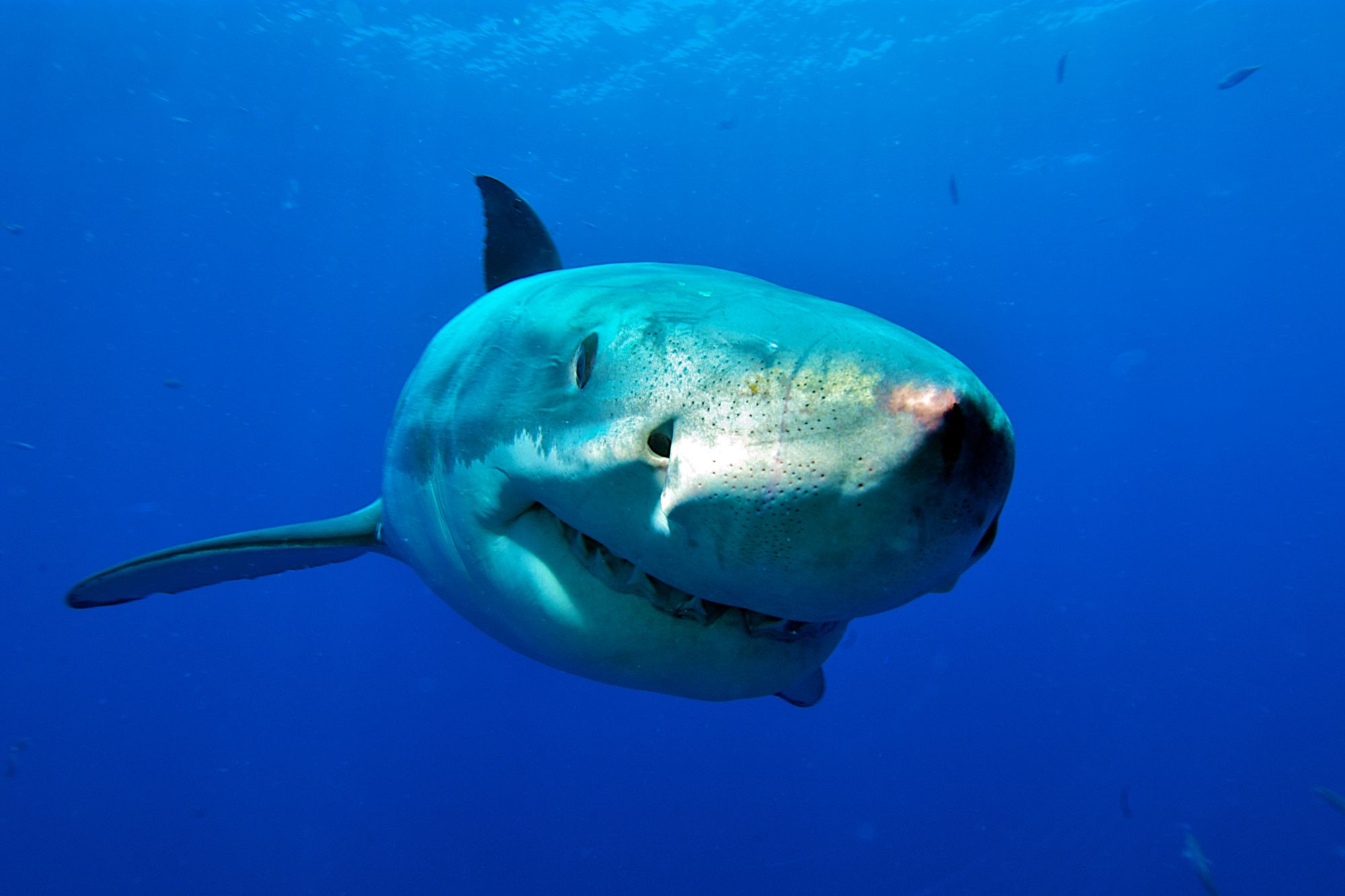
If there is one thing you really should consider adding to your bucket list, it has to be cage diving with Great White Sharks. The opportunity to get up-close and personal with these awesome creatures, with nothing but an iron cage between you and a set of razor-sharp gnashers, is both terrifying and thrilling all at the same time.

Although your mother may not be inclined to agree, climbing into a steel cage to come face to face with one of the most feared inhabitants of the ocean is actually a lot safer than it sounds.  The potential danger and so-called “Jaws effect” have led to remarkably high safety standards with cage dive operators.

So, if you are considering experiencing the ultimate adrenalin rush here are our top tips on how to earn yourself some serious bragging rights…

1.     Choose a reputable operator.  This may sound obvious, but while cage diving allows you to get up-close with one of nature’s most admired predators, it is important to remember this legendary creature is in its natural habitat – cage diving is not a sport.   Choose an operator that is fully licenced, committed to shark conservation and is operating within the boundaries of local conservation and safety legislation.  The South African cage-diving industry is regulated by a Code of Conduct and regulations from Marine and Coastal Management (DEAT – Department of Environmental Affairs and Tourism). Our favourite operator in the Gansbaai area, for example, is Marine Dynamics – tried and very trusted!

2.     Don’t be afraid!  Sharks have not been known to attack cages but be aware that they are naturally inquisitive so there is a high chance they will come in for a closer look, but isn’t that ultimately what you want?  Rest assured they are more interested in checking out the odd-looking steel bars than the people inside it.

4.     Plan your trip.  Bear in mind also that sharks are wild, migratory and unpredictable creatures, so at different times of the year the success rate of seeing sharks will vary.  For hard-core enthusiasts, it might be worth booking more than one trip to allow for unpredictable weather conditions, poor visibility or even a complete no-show of the star attraction!

5.     Take your time. Cage-diving does not require any qualification but it does require a high degree of common sense.  Entering the cage can feel awkward and pretty daunting, so take your time and listen to your guide.  The water may be choppy, so if you are prone to sea-sickness it is advisable to take motion sickness tablets well in advance.

6.     Do not touch.  There may come a point where you feel invincible and that beady-eyed shark starts to look kind of cute and friendly, but remember these are predatory, wild animals and a few pink fingers dangling through the cage bars could prove a quick and easy snack!

7.     Make sure your trip includes an educational aspect.  An ethical operator will take the time to educate you about the amazing predators you are hopefully about to encounter.  Changing people’s mindset and attitudes towards Great White Sharks is paramount to their long-term survival in a world where they have become seriously stereotyped and sensationalised as mindless man-eating monsters.

dreamstimemaximum_33239565 Cropped

« Older PostsNewer Posts »