September 13, 2012

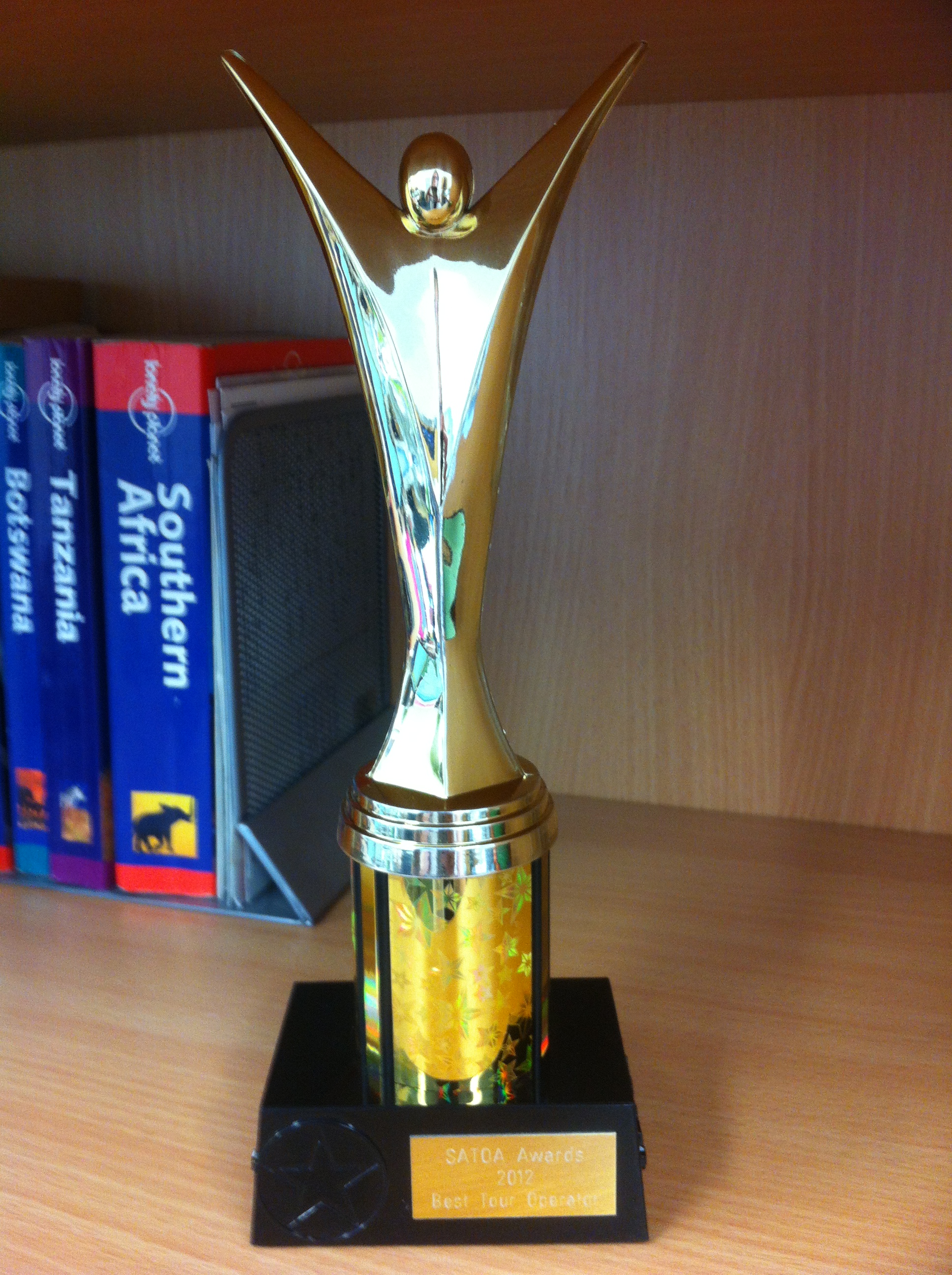
And the SATOA Best Tour Operator Award 2012 goes to …

Filed under: South Africa,Travel Butlers — Tags: , , , , — Tracey Campbell @ 1:01 pm

We found out a few weeks ago that Travel Butlers had been nominated for the SATOA ‘Best Tour Operator ‘award.  SATOA are the industry body that promote travel to Africa and the  Indian Ocean, and this award was being run this year in recognition of companies who provide outstanding products and services to their clients.

The award ceremony was held last night at the impressive Zimbabwean Embassy in London’s The Strand, and myself and Paul eagerly turned up on time, as we had found out on Friday that we had been shortlisted down to one of 5 nominees within this award category.

The event attracted many people from the travel industry, as the Best Tour Operator award was not the only category – there were also nominees for Best Accommodation, Best Retail Agent, Best Airline, Best Travel Journalist, Best Tourist Board, and Best Outstanding Contribution to Sustainable Tourism or Charity (CSR).

We waited with baited breath, each clutching our glass of wine, as the other awards were handed out.  To make us all sweat a bit, the Tour Operator award was the last one to be awarded.

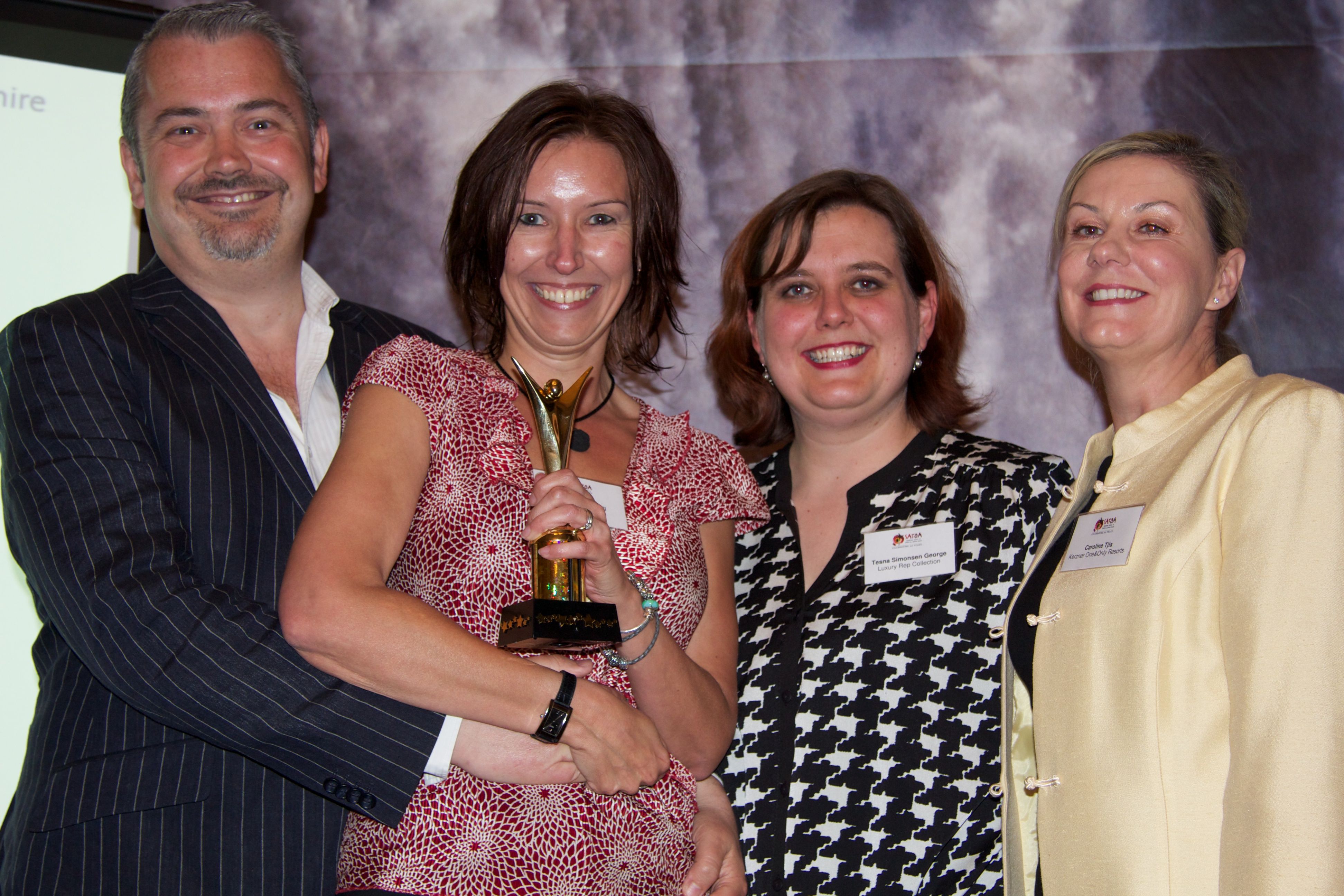
Tesna Simonsen, the Chairman of SATOA, then announced it was finally time.

“And the award for the Best Tour Operator 2012 goes to …. TRAVEL BUTLERS!”

We were absolutely delighted, in fact, rephrase that, we are STILL delighted!  The award is now taking pride of place on our office bookshelf, and it really is such an honour to have been presented with this.  Thank you to everyone who voted for us.

We would just like to also congratulate and acknowledge the other category award winners too:

Best Accommodation – congratulations to Kapani Lodge

Best Retail Agent – congratulations to Different Planet Travel

Best Airline – congratulations to South African Airways

Best Travel Journalist – congratulations to Paul Hopkins

Best Tourist Board – congratulations to South Africa Tourism

Best Outstanding CSR – congratulations to Dereck and Beverly Joubert

And finally, congratulations to Tourism KwaZulu-Natal, who won a ‘secret’ award for their contribution over the past year to the industry.

September 11, 2012

Going on Safari – At the Start or the End of your Trip?

Filed under: African Safari,Family Holidays,Kenya,South Africa,Tanzania — Tags: , , , , , , , , , , — Tracey Campbell @ 10:49 am

One of the more frequent questions we get asked by our customers when they are in the early stages of planning their safari holiday is ‘Should we do the safari at the start or the end of the trip?’.

It is, of course, a personal decision and choice, but I always tend to advise doing the safari at the end of a trip.
If you are like me, and you hold down a full time job, then I can guarantee that in the week/2 week build up to your holiday, you will be frantically scrabbling around in the office place, trying to finish all those tasks that suddenly just cannot wait until you return from your holiday.  Rather than enjoying the build up to your holiday, you end up actually cursing the fact that you have this time off, and the thought may fleetingly cross your mind ‘Dammit, if only I wasn’t going away…’

Or else you are trying to sort out the rest of the family in terms of what they want to take, you are faced with a mountain of washing that needs to be done, laundered AND ironed before you head off into the sun, you may have to arrange petcare for the dog or the cat, remember to empty and clean the fridge before you leave… let’s face it, unless you are a 5 year old child who only has to worry about which teddy bear to bring along with you, as an adult the build up to the holiday can be quite stressful!
The majority of the flights to South Africa, Kenya and Tanzania tend to be overnight, so at least once you get on the plane and settle into your seat, there is the opportunity to catch a few hours kip as your natural body clock will be telling you that you should be closing your eyes and drifting off to the land of nod – providing you can ignore the sound of the jet engines.  And hopefully the person next to you is well behaved rather than constantly elbowing you in the ribs, or the person in the seat behind doesn’t have twitchy leg syndrome and is therefore constantly kicking your chair.

When you land in your safari country, if you have not slept very well, the chances are all you will want to do is get to a hotel, put your head down on a cool pillow in a comfy air-conditioned room, and just sleep for the rest of the day.  Then wake up in time to go out for a nice dinner, a relaxing few drinks, then head straight back to the same pillow and bed, for a proper nights sleep.   By which time, you have caught up on all the sleep you need, and you are ready to start your holiday proper.  For some people, it may also take a few days to just relax into the routine of being on holiday, rather than a work routine.
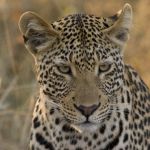
A safari will, no doubt, be one, if not THE, main highlight of your holiday.  Seeing lions and leopards close too, having a baby elephant mock charge your vehicle in an attempt to make themselves look big and threatening whilst all the time about the size and cuteness of Dumbo, or watching hippos wallow in the water are memories that will last with you a lifetime, and for some, they are once-in-a-lifetime experience.  You want to make sure you are fully refreshed and alert by the time you arrive at your safari destination, in order to really make the most of your few days on safari.

Especially if you are staying in a private lodge, the safari experience can be quite ‘full on’.  The very first time we went on safari was a lot of years ago, to Savanna Private Game Reserve in the Sabi Sands Reserve in South Africa, and I was just not prepared at all for how little time I actually had ‘on my own’.  All lodges are different, of course, but each one tends to offer the same sort of structure.  You find yourself with other guests for breakfast, lunch, high tea, and dinner, not to mention the 3 hour game drives or the bush walks, so you do have to be prepared to be sociable most of the day!   The drives, whilst exciting and exhilarating, are on dusty bumpy roads, so you can get a bit of a bone shaking too!
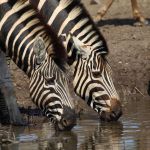
And did I mention the 5am wake up calls, as you tend to head out on your first game drive by about 6am, as the animals are most active then before the sun gets higher in the sky and the temperatures start to soar.  And the obligatory sitting around the open fire after dinner, having a few drinks, and suddenly realising that it is nearly midnight and you have to be up again in 5 hours time…?

So really, in all honesty, the more refreshed and relaxed you are by the time you arrive at your safari lodge, the better the experience will be for you – and your fellow guests and the lodge staff too!

Don’t get me wrong, being on safari is also incredibly relaxing – you do not have to lift a finger at all to do anything apart from order your next sundowner drink, you can abdicate all responsibility for driving and finding the wildlife to your tracker and ranger, and inbetween game drives, walks and eating, you can relax around the pool or in your room, and just listen to the pure sounds of nature and the bush.  And let your mind drift to thinking about absolutely nothing.
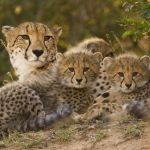
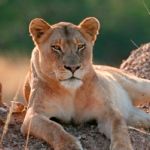
And what better way to end your holiday than going on a game drive the morning you are leaving, and seeing that elusive leopard for the first time, or sitting watching a pride of lions regally basking in the morning light.  Knowing that in 24 hours time, you will be landing at your home airport and back to the reality of normal life again.   It really is the perfect way to finish off a holiday.

If you are thinking about going on safari, and want to know more about what it is like to stay at a private safari lodge, you can read more about it here:

https://www.travelbutlers.com/safari/what-to-expect-from-a-private-safari-lodge.asp

Of course, everyone is different.  You may feel that the excitement of going on safari is too much to bear, so it has to be done at the start of the trip.  Neither way is right or wrong, it is just all down to personal preference.

What do you think?
September 10, 2012

Cape Town Bierfest!

Filed under: South Africa — Tracey Campbell @ 10:00 am

Last year, my husband went over to Germany to enjoy the annual Bierfest in Munich (he also claims that it was mainly for the golf that he went for, but somehow I just don’t believe him).

This year, however, he could travel to Cape Town instead, as they are hosting their own Bierfest from Thursday 13 September 2012 through to Sunday, 16 September 2012.

Held in Newlands, Cape Town’s Bierfest is being designed to create an authentic Bavarian festival.   The beer halls will be draped in traditional style, and limited edition beers are being brewed exclusively for the event. Visitors  can come and enjoy German food whilst being served by frauleins and listening to Oompah bands.

Early days yet for Cape Town to become as established an event as Munich, which has been going for 200 years and attracts more than 5 million people each year from around the world, but you have to start somewhere!

Maybe I just might book my ticket over there now…

Venue: Village Green, Newlands Brewery
For More Information: phone +27 (0)74 193 8160

September 5, 2012

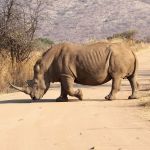
Support for International Rhino Day – 22 September

Filed under: African Safari,South Africa,Travel News — Tags: , , , — Tracey Campbell @ 10:00 am

What are you doing in support of this extremely worthwhile cause?

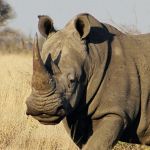
International Rhino Day is being held this year on 22 September.  It’s cause?  To stop the barbaric and illegal trade in rhino horn, and to promote global rhino conservation issues.

Rhino horn is believed by some to have medicinal purposes, such as a miracle cure for fever, pain, arthritis, and even cancer.  Nearly 450 rhinos were slaughtered for their horns in South Africa alone last year, and the figure this year will be more.  The animals are being hunted and cruelly killed, and even rhinos in the private game reserves are being targetted.

Rhino poaching thankfully now has priority crime status, and is being dealt with on the same level as other organised crimes such as human traffiking and drug smuggling – indeed, the news this week was that 2 poachers recently caught have been sentenced to 29 years each in jail.  Will this be a sufficient deterrent, however, to stop this ongoing?

I am not going to taint this blog article with the horrific pictures that we receive almost on a daily basis, when another dead rhino is found, rather, I want to focus instead on the work that some people that we work with are doing.

For example, Kim van der Westhuizen, of Springbok Atlas, is nobly throwing herself out of a plane at 10,000 feet.   She is doing it tandem, with a skydive master, but still, hats off to Kim, and we applaud anyone who does this.  With the jump, she is aiming to raise much needed funds for anti-poaching projects, and in particular, skills training, aerial surveillance equipment, and the implementation of community projects.  You can support this cause, and Kim too, by clicking on this link:

https://www.givengain.com/activ/81635

Also in the build-up, Jaci’s Lodges, in the Madikwe Game Reserve, is challenging everyone to get involved in saving the world’s rhino by wearing their very own rhino horn in the form of an orange cone.   The Jaci’s Challenge is committed to generating essential awareness to save our horned friends. By displaying a rhino horn in the form of an orange cone on every game driving vehicle at Jaci’s Lodges, the team hopes to draw attention to the rhinos’ plight, and by educating guests about the importance of rhino conservation, Jaci’s Lodges will be playing their part in an international conservation battle.

Finally, SATOA, who promote travel to Africa and the Indian Ocean, have Save the Rhino as their registered charity.

We hope that you join everyone in supporting this cause, and that one day, we will see an end to rhino poaching.

September 3, 2012

Some Top Tips for Whale Watching Novices

Filed under: Cape Town,South Africa,Travel News — Tags: , , , , — Tracey Campbell @ 12:30 pm

Whale watching is one of the highlights of a trip to South Africa, and especially now, between the months of September and October, daily sightings of these majestic creatures are the norm.  Don’t quote me on that, however, as this is wildlife, so NOTHING can every be 100% guaranteed!

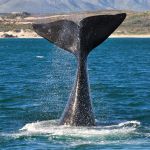
The most common whale to spot during these months is the Southern Right Whale.  This species migrates from the chilly Antarctic Ocean northwards towards the still chilly south coast waters of South Africa, a journey of about 1,000 kilometers, give or take a few (I admit, I have not accurately calculated the distance myself, so I have to take other people’s word on this).   Why do they migrate?  Again, I have not personally interviewed a whale to get his or her view on the subject, but the general consensus is that they make the journey to mate, calve and raise their young.  I guess they prefer the slightly warmer water for their mating escapades, maybe this adds to the romance?

You cannot really miss a Southern Right Whale.  Measuring about 18 m in length (so about 60 foot), and weighing in at a hefty 80 tonnes on average, when they breach out of the ocean, they do tend to be pretty visible and make a bit of a splash when they re-enter the water again.   They also have a distinctive pattern of callosities on their heads, and they have no dorsal fin either.  When they breath out, they make a V-shaped cloud above the water – all other whale species exhale in a single column.  All in all, quite a unique breed of whale.

I learnt a lot when I took an early morning boat trip out from Gansbaai with one of our recommended operators,  Dyer Island Cruises (but we also recommend Southern Right Charters too).  The first thing I learnt is that the whale watching boats are not allowed to approach the whales, rather, you have to wait for them to come to you.  I wholeheartedly agree with this, however frustrating it may be when you are actually out on the water – you need to avoid ‘tourist’ intrusion.

Secondly, I made the mistake of thinking I had to capture everything on camera.  Wrong.  I looked back at my photos afterwards, and because the water was choppy (hint number 3, take sea sickness tablets if you are even marginally prone to feeling ill), I have a whole range of shots of just the sea, then the sky, and I seemingly missed altogether this huge creature when it appeared out of the water.  I did get a couple of shots, true, but I just was not quick enough or professional enough to steady myself and aim my camera, focus and get an award-winning shot.   I definately would have got more out of the entire experience by looking through my eyes rather than through my eyes and then a camera lens.  Hindsight is a marvellous thing.

Lastly, if you are thinking about doing the trip from Cape Town, I would strongly suggest that you have a rethink.  I am not an early morning person, and getting up at 5 am for a 90 minute + drive in order to get to Gansbaai for first tide, which is when the first boats go out, was not an ideal start for me.  Much better to stay the night before in Hermanus or nearby, so that you only have a short drive.   Some operators do go out later morning, but the water can get even more choppier and rougher.

If you don’t have sea-legs at all, you can take the easy option and just go for a walk along the cliff tops, or if you are feeling really lazy, my top tip would be to get a table in Bientangs Cave Restaurant, which is carved out of the rockface.  When we were there, we were lucky enough to get a table right at the front of the restaurant, and we sat there for 2 hours, watching a whale continually breach out in the bay.

However you decide to go whale watching, whatever you do, just enjoy it!

August 30, 2012

South African Safaris for First Timers

Filed under: African Safari,South Africa — Paul Campbell @ 4:00 pm

Like many other people, you may well have dreamt of experiencing a South African safari; at least once in your life. Fortunately, the multitude of options and locations now makes this dream far more achievable than it once was. Of course, if you are new to the world of safari holidays then there may well be a few aspects which you are likely to be a little unsure of. Indeed, factors like when the best time of year is to go and which part of the country you should visit are just some of the key aspects which you may naturally want to find out more about.

Thankfully, we here at Travel Butlers know more than a thing or two about organising enjoyable safaris to South Africa so we thought it would only be right to provide you with a few helpful pointers.

When to go

Although South Africa as a country is a great year-round destination, winter (June to September) is generally the best time to visit when it comes to wildlife watching. The reason for this is that many trees and shrubs are leafless in the winter; therefore you will find it much easier to spot animals. In addition, food and water are also more limited in the winter so the animals will be out in the open more often, foraging and hunting for food and drinking at waterholes. It should be noted that South Africa’s countryside is beautiful and lush in the summer (December to February); however, it can be harder to spot animals at this time of year as they can often become obscured by dense shadows.

Where to go

South Africa has over 600 parks and reserves so you can rest assured that you will be able to find one that will meet your requirements. Even so, when it comes to South Africa safaris for first-timers, there are two parks which stand out as being particularly good options:

Kruger National Park

The Kruger National Park is known throughout the world for the quality of the safari experiences it is able to provide. All of the most iconic African animals can be found here so you can rest assured that you will not go home disappointed. The park has accommodation which ranges from isolated campsites to bungalows and cottages in busy compounds, whilst the surrounding towns offer hotels, hostels and resorts for all budgets.

Hluhluwe-Umfolozi

Located in the heart of Zululand, the Hluhluwe-Umfolozi Park combines lush scenery with all of the awe-inspiring wildlife you would expect to see on a South African safari. The beautiful beaches which are located along the nearby Elephant Coast are amongst the finest in the country so you can look forward to enjoying a refreshing dip after an eventful day of animal spotting.

If the above information has whetted your appetite for South African safaris then why not take a few moments to explore our pages further. Who knows, your dream safari may be even closer than you think?

August 28, 2012

Great Migration Arrives in the Masai Mara

Filed under: African Safari,Kenya,Tanzania,Travel News — Tags: , , , , , , — Tracey Campbell @ 12:55 pm

It is happening as I type.  What is, I hear you ask?  The next landing on the Moon?  The Paralympics have started a day early?  Summer has finally arrived in the UK?

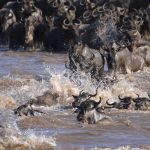
Well, the last answer is close, in that it is about something finally arriving.  Not Summer in the UK (I have given up all hope of that after this weekend’s Bank Holiday weather fiasco), but the Great Migration has already arrived on the Masai Mara plains in Kenya and it is well under way.

After an arduous journey which started in February on the southern most plains of the Serengeti, in Tanzania, the now extremely tired and exhausted huge herds of wildebeest and zebra have finally appeared.

Having already trekked nearly 1,000 km, and braved the rushing waters and the hungry crocodiles of the Grumeti River, they still have to face more currents and crocodiles in order to cross the Mara River to get to the now fertile plains of the Masai Mara.

Literally hundreds of thousands of animals set off 7 months ago, and a lot have not made it this far.  Those who have are rewarded with green grazing grass, and it is here they will remain for a few months, until they set off again in October time back towards the Serengeti, for the whole cycle to start again next year.

We recently have had a customer return from the Mara, and she has written an exceptional blog article about it – you can read her first hand experience by clicking here.   Many people feel, as she did, that to witness the river crossing comes with mixed feelings – you feel compelled to watch, but equally you are distressed by the prospect.

You can also read the full story of the Great Migration here.

August 17, 2012

Baby Rhinos at Epacha

Filed under: African Safari,Namibia — Tags: , , , , — Tracey Campbell @ 12:40 pm

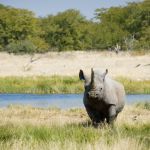
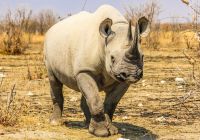
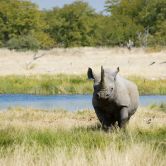
At the begining of this year, the peeps at Epacha Private Game Reserve in Namibia announced that 4 of their female black rhinos were expecting.

Pregnancy for a rhino is not easy, we women think we have it rough with 9 months – a rhino carries for about 18 months.

So it was a great relief, I am sure, that 2 of these females have each had a baby in the past month.  Mothers and babies are reported to be doing fine.

These 2 new bouncing additions take the number of black rhinos up to 16 at the Epacha Wildlife Sanctuary – this is a huge increase from the 7 (4 females and 3 males) that they started with back in 2004 when they became part of the Black Rhino Custodian Programme.

Namibia has one of the largest black rhino populations in the world, with a majority found in Etosha National Park. Although their numbers are increasing, the black rhino is still critically endangered. Therefore the Namibian Government, by way of its Ministry of Environment, Wildlife and Tourism, created the Black Rhino Custodian Programme.

The custodianship involves being selected by the Ministry to provide a safe and suitable haven outside the Etosha National Park for the conservation of this valuable animal. This reduces possible over-populating in Etosha, thus eliminating the competition for water and food, and the risk of fights between the animals which often results in death.

Finding a suitable area outside the park benefits both the Ministry as well as the landowner, as ownership of the rhino remains with the Government, but the responsibility of caring for the animal is transferred to the landowner. They commit themselves to regularly monitor the condition of the rhinos, not to interfere with the rhinos, and give regular feedback on their wellbeing to the Ministry.

The programme selected the Epacha Private Game Reserve to join them because of the size of the reserve – 21,000 hectares – plus it is properly fenced and has the right vegetation for the rhinos to live and breed.  The reserve manager ensures that the black rhinos are well looked after and monitored on a daily basis.

This successful increase in the black rhino numbers here could obviously attract potential poachers, and thus an anti-poaching unit has been put in place and security is kept at a maximum to safeguard the animals.

If you want to experience the work for yourself, you can include a stay at one of the lodges on the reserve – Epacha Game Lodge & Spa and Eagle Tented Lodge & Spa  – as part of your self-drive itinerary around Namibia.   Do please ask one of our friendly consultants for advice if you are interested – we don’t bite at all!


August 14, 2012

Ngala Tented Camp Reopens

Filed under: African Safari,Honeymoons — Tags: , , , , — Tracey Campbell @ 5:15 pm

&Beyond have just announced the reopening of Ngala Tented Camp, an intimate and tranquil safari getaway that celebrates the romance of African nights under canvas.

Situated in a private reserve of the same name, which shares unfenced borders with South Africa’s famed Kruger National Park, game drives from the camp explore an untouched Big Five wildlife wonderland famed for its lion encounters and vast herds of buffalo, as well as sightings of the rare African wild dog.

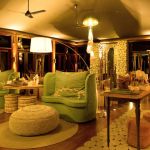
One of the few luxury tented camps in the area, &Beyond Ngala is wild and remote, with animals walking freely through the camp and the camp’s rim-flow swimming pool situated along the river bank so guests can view wildlife in the thickets while splashing in its cooling waters.

With the 6 tented suites now even more secluded from each other, the new layout of the camp adds to the intimate feel, allowing guests to immerse themselves in the peace and tranquillity of the natural setting. Overlooking the seasonal Timbavati riverbed, the stylish new interiors feature a fusion between easy living and contemporary design.

The overall essence is undeniably African, with warm, earthy tones used throughout, and the raw, organic materials, lighting, window and floor treatments and the shapes of the furniture all draw inspiration from the surrounding landscape.

Al fresco showers, private wooden decks and an open design invite the wilderness inside, creating an exclusive retreat where the ultimate in simple sophistication combines with exceptional outdoor experiences. A newly constructed massage and yoga studio caters for the health conscious while adding a touch of pure indulgence.

Constructed with a light footprint and reflecting &Beyond’s ethos of sustainable luxury, the camp has been carefully designed to minimise environmental impact. The latest technology in insulation materials, extensive use of LED lighting and most energy efficient air conditioning and hot water generating solutions have resulted in significantly reduced energy requirements for the camp.

July 31, 2012

The Appeal of Safari Holidays in Tanzania

Filed under: African Safari,Tanzania — Tags: , — Paul Campbell @ 9:00 am

Many people believe that anyone going on their first safari holiday should receive a health warning … “What you are about to experience may become addictive”.  This is definitely true of Tanzania as this unique country will cause you to fall in love with Africa quicker than anywhere else. Indeed, Tanzania is perhaps the most diverse and alluring country in all of East Africa, thereby it is able to offer an outstanding range of safari and trekking options.

To be sure, this wonderful country has so much to offer that its many different options have to be broken down into manageable portions:

Northern Tanzania safari

Tanzania’s northern circuit includes several areas which are famed the world over for their abundance of wildlife. Indeed, the incomparable Serengeti National Park, awe-inspiring Ngorongoro Crater and stunning Lake Manyara can all be marvelled in this part of Africa.

The northern parks area is without doubt the best location for a ‘proper’ overland safari as it is able to provide some of the most incredible scenery, wildlife and culture on the continent. And, when you consider that the legendary Mount Kilimanjaro and exotic tropical beaches of Zanzibar are just a short hopper flight away, it is easy to see why this part of the world is able to provide some of the most comprehensive African safaris available.

Serengeti safari

A Serengeti safari focuses on the incredible array of wildlife that lives on and perennially visits the Serengeti plains.

These safaris can be enjoyed in a number of different ways as there are several different transport options available which can be employed. Indeed, you can drive across the terrain in tough overland tour vehicles or, if you’re the more adventurous type, you can enjoy a wonderful walking safari.

However, if you’re after something really special, you can observe the Serengeti from the unique vantage point of hot air balloon!

Southern Tanzania safari

Whilst the southern circuit of Tanzania cannot boast the same big names as the north, it is home to Africa’s biggest protected game reserve – Selous Reserve. Along with the equally mesmerizing Ruaha National Park, the beautifully untouched area around Selous is able to provide you with a truly epic safari experience that will live vividly in your memory long after you have returned home.

In addition, southern Tanzania also has the splendid Katavi and Mahale parks to offer, the latter being perhaps the best location for primate interaction in all of Africa.

Flying safari

The flying safari is another great option which Tanzania is able to offer. As well as enabling you to visit areas that are often impossible to reach by road, this type of safari can save you lots of time and allow you to create a bespoke itinerary. Moreover, marvelling at the great expanse of Tanzania from the air is a thrilling experience that will stay with you always.

To find out more about the unique appeal of Tanzania safari holidays, call 0845 838 2450 now or contact us through our website.

« Older PostsNewer Posts »