

Dry season and rainy season dates
The weather in Kenya can very simply be divided into 2 categories – when it is dry, and when it is rainy.
The Dry Seasons
January through to March, and June through to October, are classically the ‘dry seasons’. January and February are also the hottest months of the year.
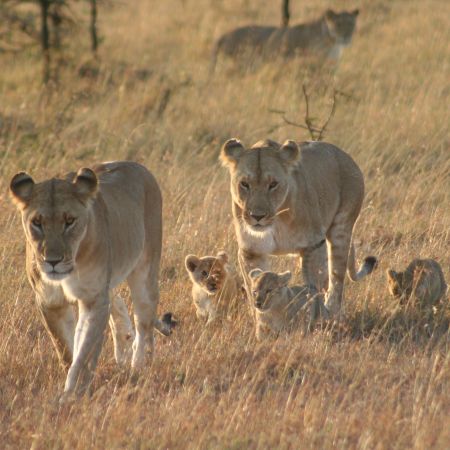 For safari goers, this is a good time to spot game, for a couple of reasons – firstly as there is no surface water readily available, the game is concentrated around remaining rivers and waterholes, making finding the wildlife that much easier; and secondly, the bush and vegetation is dry and knocked back, so there is less cover for the wildlife to hide behind!
July onwards marks the start of the Great Migration in Kenya's Masai Mara plains, so this is possibly THE most popular time for visitors – but because of the popularity, be prepared for everywhere, not just the Mara, to be very busy and crowded, and for prices to be high.
The drier weather also means less mosquitoes, so this is another reason why these months are generally the busiest in terms of visitor numbers.
The Rainy Seasons
The much needed ‘long rains’ begin in April, and can last through until the end of May or the beginning of June - hence where the term comes from, as it refers to the length of the season. Dramatic late afternoon thunderstorms with accompanying heavy rainfall are commonplace. Whilst the land and the wildlife embrace these rains, for tourists it is not so wonderful – some safari camps actually close over this period, as a lot of the roads become impassable, and those that do remain open have to cope with the roads that are still open turning from a driveable dirt track into more of a mud slick.
The vegetation very quickly turns into a lush green landscape, which is a wonderful backdrop to photographs but it does make spotting the wildlife harder. However, on the plus side, there is less dust in the air, and this is the low season in terms of accommodation rates, so for the camps that remain open, there are some very attractive 'per night' prices being offered over these months. In addition, the number of visitors are noticeably less so you can enjoy a safari with less of the crowds.
November is when the ‘short’ rains fall. Again, the rain tends to fall in heavy, short bursts lasting up to an hour, maybe a little longer - then the sun comes out again. The rains normally start towards the middle of November and generally last about 4 weeks once they start - so again, the term 'short' refers to the relatively 'short' duration of the rainy season at this time of year. This period also attracts lower accommodation rates.