Travel Butlers Safari Blog

Archived News

Posts Tagged ‘okonjima’

Cheetah Kingdom – Tonight at 8 pm on ITV1

Monday, September 20th, 2010

The second episode of ‘Cheetah Kingdom’ will be screened on ITV1 at 8pm this evening.

596An ITV film crew has spent much of 2010 at Okonjima following the daily work of the AfriCat Foundation. The series provides a glimpse at the conservation work undertaken by the foundation and provides a great overview of life at Okonjima.

The series tracks the largest cheetah release programme attempted in Namibia, a country that is home to roughly a quarter of the world’s cheetah population, where they’re routinely trapped by farmers protecting their land. This episode follows the fortunes of the group of cheetahs being prepared for life in the wild and viewers get to see the next stage of their release as the gates are opened to their new 40,000 acre home.

If you missed the first episode or do not have access to UK TV you can catch up on the ITV Player site.

Okonjima reach 1,000 rescues

Wednesday, July 29th, 2009

This week has been witness to a remarkable milestone in the 16 year history of the AfriCat Foundation, with 1,000 big cats now rescued!

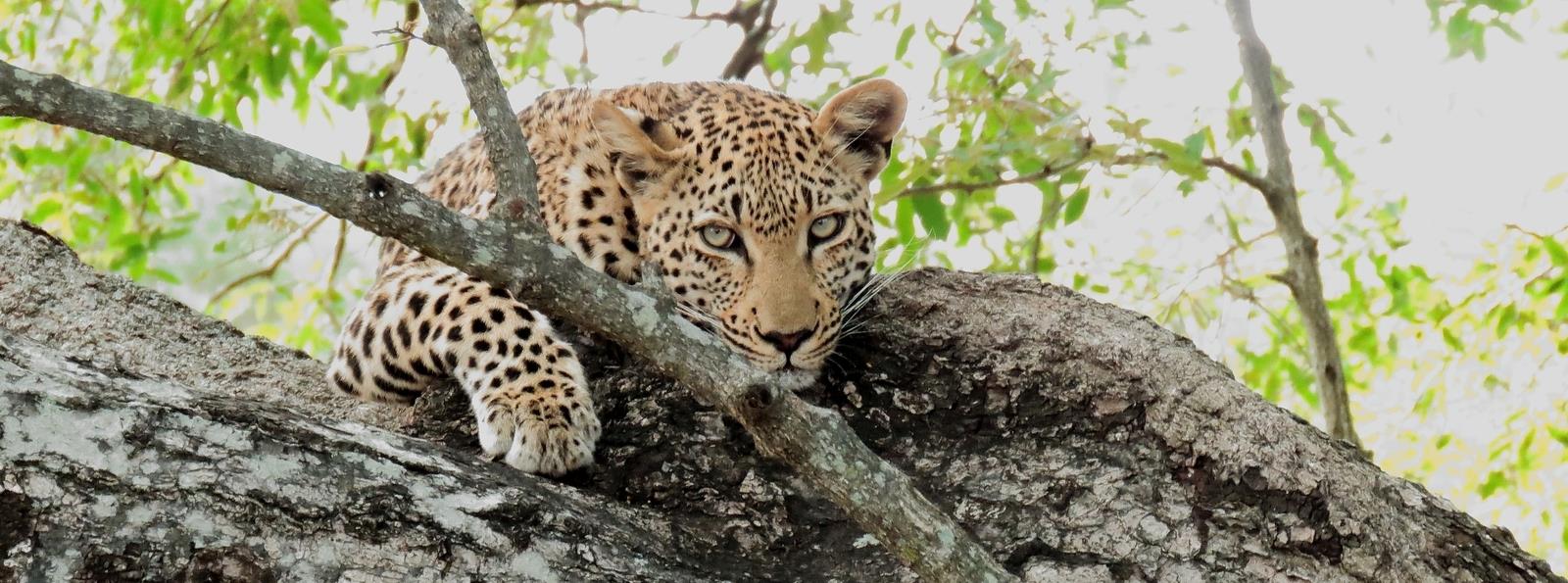
leopard20cubThe sheer determination and unshakeable belief that has allowed the foundation staff to achieve this goal is staggering. Every single one of the rescues has meant a lengthy drive or light aircraft flight, careful liaison with the owner of the land or the community (at best curious and at worst plain hostile towards the predator) and then the laborious and dangerous task of extricating the cat to sanctuary.

In many cases, that is simply the beginning of a period of rehabilitation with the aim of releasing the cat back into the wild.

So who was lucky number 1,000? He was a 3 month old leopard cub rescued along with his mother (cat no. 999) from a farm in the Grootfontein area. Fortunately both mother and cub were in excellent health and were released together into the wild just 24 hours after their rescue.

africat20foundation20cheeta20maleThe 1,000 cat statistic represents 650 cheetahs and 350 leopards. It does not include the scores of smaller predators that find themselves in need of AfriCat’s help. Every single one of these predators would have been destroyed were the AfriCat Foundation removed as an alternative option.

If you consider the fact that 86% of these cats are released back into the wild to continue the species, the impact AfriCat has on preserving Namibia’s predator population is quite amazing. The influence that AfriCat has on the awareness and tolerance for predators is impossible to quantify but just as significant long term in the survival of these species.

595The AfriCat Foundation is able to operate because of private funding and the support of their single biggest donor, Okonjima, where guests can stay one (or ideally 2) nights at either Okonjima Main Camp or Bush Camp, and participate in the many activities on offer including the tracking on foot of the rehabilitated cheetahs on the Cheetah Tracking Trail, or radio-tracking leopards from an open game viewing vehicle in the 4,000 hectare rehabilitation area; bushman trails and walking trails; and a visit the Cheetah Project, an invaluable insight into the welfare work of the Foundation.

Okonjima and The AfriCat Foundation

Monday, December 22nd, 2008

The AfriCat Foundation is a leader in the rescue and relocation of big cats (mainly cheetah and leopards) in Namibia, and probably the best way to gauge their impact is to look at their statistics for the last 13 years:

Total cats rescued 946

Total cats released 796

In reality those figures equate to thousands of hours of animal welfare, complicated rescue missions, expensive veterinary procedures and an unwavering belief that one organisation can make a difference.

Male Cheetah at OkonjimaHarder to quantify is the impact made on the thousands of individuals who have visited Okonjima and gained a better understanding of the real issues faced by large predators in Namibia. These include tourists who become donors or ambassadors for conservation in their home countries and Namibian school groups who return to their villages with an interest in their national wildlife treasures.

The last two school groups to be hosted at Okonjima in 2008 came from Windhoek and the Kavango Region. They stayed at the Environmental Education Centre and the primary goal of the programme is to bring about change in the national attitude to predator conservation. Most of the children had never been on a school trip before and none had seen a cheetah or leopard in the flesh. The experience of both combined was dramatic and will remain with the students for years.

Okonjima and the AfriCat foundation are leaders in the field of animal rescue and rehabilitation, and we strongly recommend that anyone visiting Namibia consider staying at Okonjima Main Camp or the luxurious Okonjima Bush Camp and to see for themselves the excellent work that is done at this inspirational place.

Travel Butlers - African Safari Blog
Ask us To Phone You
Close this panel

Callback Request

Fill in your details below and we will be delighted to phone you back at a time that suits you.


Find A Property
South Africa Kenya Tanzania Botswana VictoriaFalls Namibia Mauritius Mozambique