Snow … in Namibia ????
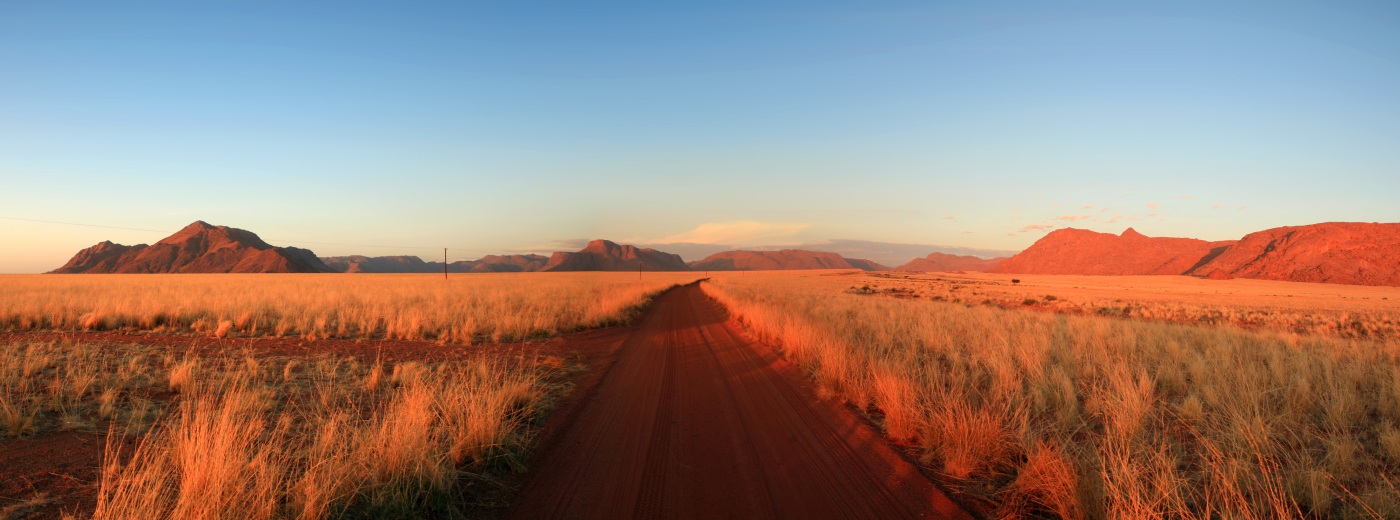
Wednesday, June 8th, 2011Yes, Namibia. Normally, the land of deserts. Or rather now, the land of Frosty the Snowman.
These pictures were taken yesterday.
I am not really sure there is anything else much to say !!!!


Yes, Namibia. Normally, the land of deserts. Or rather now, the land of Frosty the Snowman.
These pictures were taken yesterday.
I am not really sure there is anything else much to say !!!!


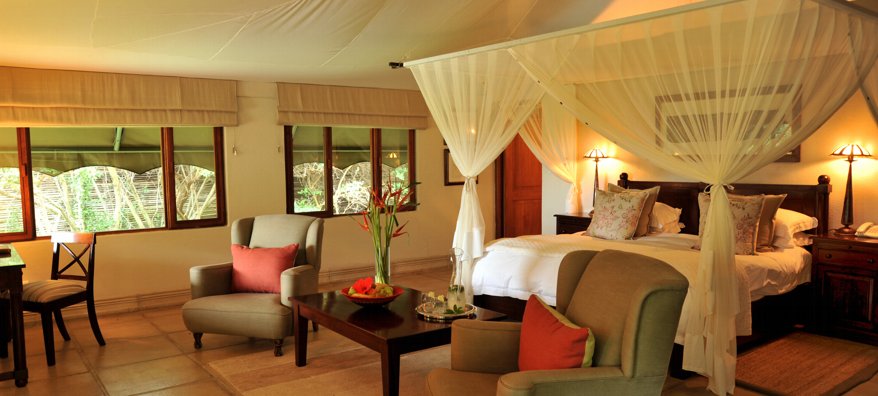
The wonderful Wolwedans Dune Camp, in Namibia’s Sossusvleu, has just announced that they have upgraded 6 of their tents (and I say tents with my tongue in my cheek – I should rather say palatial suites – they are stunning!).
The new tents are larger, with private bathrooms and a bigger deck area outside.
Wolwedans provides the perfect base from which to explore vast stretches of undisturbed nature. The personal and informative scenic drives in open Land Rovers reveal the wonders of the wilderness.
Scenic flights are another popular activity at Wolwedans. Commencing during the late afternoon, these flights give you a birds-eye view of the Diamond Coast and Sossusvlei and is a truly exhilarating and once-in-a-lifetime experience.
Another special attraction is hot-air ballooning. Soaring silently over the dune belts and never-ending plains provides unforgettable and breathtaking 360 degree vistas. From the best viewpoint imaginable, you admire the stark beauty of the Namib for about an hour, before celebrating this once in a lifetime experience with a champagne breakfast at the landing spot.
There is a minimum stay of 2 nights at the camp.
To help support tourism in Namibia, the Namibia Tourist Board has got together a collection of lodges and Air Namibia, who for the months of June and July ONLY will be offering up to 50% off their published rates.
The collaboration is know as “Namibia: It’s Open Season” and its sole purpose is to help generate more visitors to this stunning counrty.
The Air Namibia participation in “Namibia: It’s Open Season” will apply to all major tourism routes of Frankfurt, Johannesburg and Cape Town.
Please contact us now for more information !
This week has been witness to a remarkable milestone in the 16 year history of the AfriCat Foundation, with 1,000 big cats now rescued!
The sheer determination and unshakeable belief that has allowed the foundation staff to achieve this goal is staggering. Every single one of the rescues has meant a lengthy drive or light aircraft flight, careful liaison with the owner of the land or the community (at best curious and at worst plain hostile towards the predator) and then the laborious and dangerous task of extricating the cat to sanctuary.
In many cases, that is simply the beginning of a period of rehabilitation with the aim of releasing the cat back into the wild.
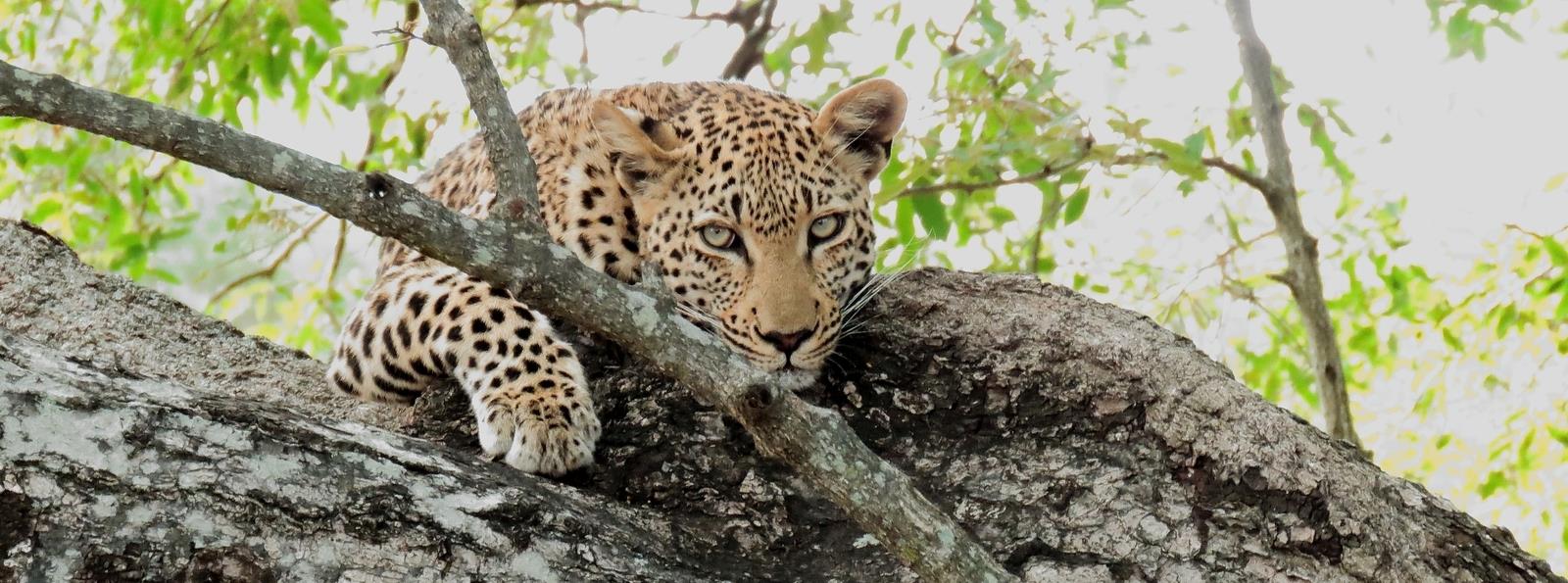
So who was lucky number 1,000? He was a 3 month old leopard cub rescued along with his mother (cat no. 999) from a farm in the Grootfontein area. Fortunately both mother and cub were in excellent health and were released together into the wild just 24 hours after their rescue.
The 1,000 cat statistic represents 650 cheetahs and 350 leopards. It does not include the scores of smaller predators that find themselves in need of AfriCat’s help. Every single one of these predators would have been destroyed were the AfriCat Foundation removed as an alternative option.
If you consider the fact that 86% of these cats are released back into the wild to continue the species, the impact AfriCat has on preserving Namibia’s predator population is quite amazing. The influence that AfriCat has on the awareness and tolerance for predators is impossible to quantify but just as significant long term in the survival of these species.
The AfriCat Foundation is able to operate because of private funding and the support of their single biggest donor, Okonjima, where guests can stay one (or ideally 2) nights at either Okonjima Main Camp or Bush Camp, and participate in the many activities on offer including the tracking on foot of the rehabilitated cheetahs on the Cheetah Tracking Trail, or radio-tracking leopards from an open game viewing vehicle in the 4,000 hectare rehabilitation area; bushman trails and walking trails; and a visit the Cheetah Project, an invaluable insight into the welfare work of the Foundation.
Namibian-based Sense of Africa have announced the launch of an open-top double decker bus tour of Windhoek.
Sense of Africa have also gone into partnership with a community-based operator in the Aabadi Bushman Village. Tours will be conducted to the village, fufilling a strong demand for cultural interaction by visitors.

Anyone in the UK who was interested in the Okonjima update we posted back in December will almost certainly want to see the Cheetah Man progam tonight at 8pm on Five.
The program tells the remarkable story of Olivier Houalet who has worked for the last four years with 4 orphaned cheetahs at Namibia’s Amani Lodge, and has prepared them to be rereleased into the wild by acting as their surrogae mother. I was at Amani myself a few years ago and saw Olivier’s amazing talents for myself, and I am sure that this will make fascinating TV.
The AfriCat Foundation is a leader in the rescue and relocation of big cats (mainly cheetah and leopards) in Namibia, and probably the best way to gauge their impact is to look at their statistics for the last 13 years:
Total cats rescued 946
Total cats released 796
In reality those figures equate to thousands of hours of animal welfare, complicated rescue missions, expensive veterinary procedures and an unwavering belief that one organisation can make a difference.
Harder to quantify is the impact made on the thousands of individuals who have visited Okonjima and gained a better understanding of the real issues faced by large predators in Namibia. These include tourists who become donors or ambassadors for conservation in their home countries and Namibian school groups who return to their villages with an interest in their national wildlife treasures.
The last two school groups to be hosted at Okonjima in 2008 came from Windhoek and the Kavango Region. They stayed at the Environmental Education Centre and the primary goal of the programme is to bring about change in the national attitude to predator conservation. Most of the children had never been on a school trip before and none had seen a cheetah or leopard in the flesh. The experience of both combined was dramatic and will remain with the students for years.
Okonjima and the AfriCat foundation are leaders in the field of animal rescue and rehabilitation, and we strongly recommend that anyone visiting Namibia consider staying at Okonjima Main Camp or the luxurious Okonjima Bush Camp and to see for themselves the excellent work that is done at this inspirational place.
Six women each live for a month with six different tribes all over the world. In this upcoming episode of Tribal Wives, Yvonne Power, a 36-year-old single working mother of three, goes to live with the Himba in Namibia.
The Himba are a semi-nomadic tribe of pastoralists who live on the harsh sun-baked plains of northern Namibia. The women are striking, covering their hair and bodies in red ochre. They are a polygamous tribe where men can have up to five wives and marriages are arranged for girls when they are young as 12 years old.
Yvonne is ground down by the daily routine of nine-to-five and coping with the demands of a family. As she struggles with the Himbas’ deep gender divides and arranged marriages, she begins to make discoveries about herself – especially when drought threatens to devastate the village.
If you miss it on Wednesday, you can catch it again on http://www.bbc.co.uk/iplayer/
South Africa and Namibia are both very well suited to self-drive holidays, and this is the most popular type of trip for visitors to both countries.
The driving experience will be very familiar to overseas visitors in many respects: both countries drive on the left hand side of the road, and all signposts are written in English.
As in Europe and much of the rest of the world, it is law to wear a seat belt at all times, and using a mobile phone when driving is prohibited.
The main roads and highways are generally maintained in an good condition, especially in South Africa, however some more remote areas (including most of Namibia!) will have gravel roads which you will need to drive more cautiously on.
2WD or 4WD?
There are very few roads in South Africa where you would need a 4WD. Even in the self-drive National Parks and safari areas such as Kruger or Hluhluwe, the roads are good and a 2WD can adequately cope with the odd bit of unevenness.
The story is much the same in Namibia for most of the year, although if you are planing on going to very remote areas or travel extensively in the wet season then you may want to consider a 4WD vehicle.
Driving Licence
All drivers must have a valid driving licence from their country of residence. If the license is not printed in English, then you will need to obtain an International Drivers Licence.
Please note that the various car hire companies have different regulations regarding the length of time that you need to have held a driving licence, so it is advisable to check with your hire car company about their requirements.
Buying Petrol (Gas)
It is worth noting that none of the petrol stations in South Africa or Namibia are self-service, and they alos only accept locally issued credit cards, meaning visitors from overseas will need to keep some cash handy to buy fuel.
You can read more about driving in South Africa and driving in Namibia on our website.
Travel Butlers are delighted to announce a photo competition that we are running in association with SA Wines Online where you could win one of 3 cases of South African wine.
Each year we are sent hundreds of photos by people whose holidays we have helped to organise, and rather than leave them to collect metaphorical dust on a forgotten computer somewhere we have decided that we should share them with visitors to our website and offer prizes for the 3 very best pictures.
The competition is open to anyone who booked their trip through Travel Butlers, and the closing date for entries is 31st May 2008.
Entries will be published on our web site, and we will be judging the competition and notifying the winners in June – the 3 best pictures will each win a mixed case of 6 premium South African Wines with a value of £60.
About SA Wines Online – get a £10 discount on your first order.
Shortlisted as Decanter Online Wine Merchant for 2007, SA Wines Online has the largest range of fine South African wines in the UK. You will find your favourites all in one place and have them delivered directly to your door anywhere in the UK.
Get a £10 discount on your first wine order at: http://www.sawinesonline.co.uk/.